

Have you ever wished you could press “rewind” on your skin’s aging clock?
By Kath Wong | December 1st, 2025
For decades, that idea belonged to dreams and creams — until laser technology entered the skincare world.
Today, lasers are doing what once seemed impossible: targeting wrinkles, tightening skin, and restoring youthful radiance without surgery or long recovery times.
From Hollywood celebrities to everyday skincare enthusiasts, laser anti-aging treatments are fast becoming the gold standard for skin rejuvenation.
But what makes lasers so revolutionary? And how exactly do they transform aging skin at the cellular level?
Let’s explore how science, precision, and innovation are reshaping the future of beauty.
1. The Science Behind Laser Skincare Rejuvenation
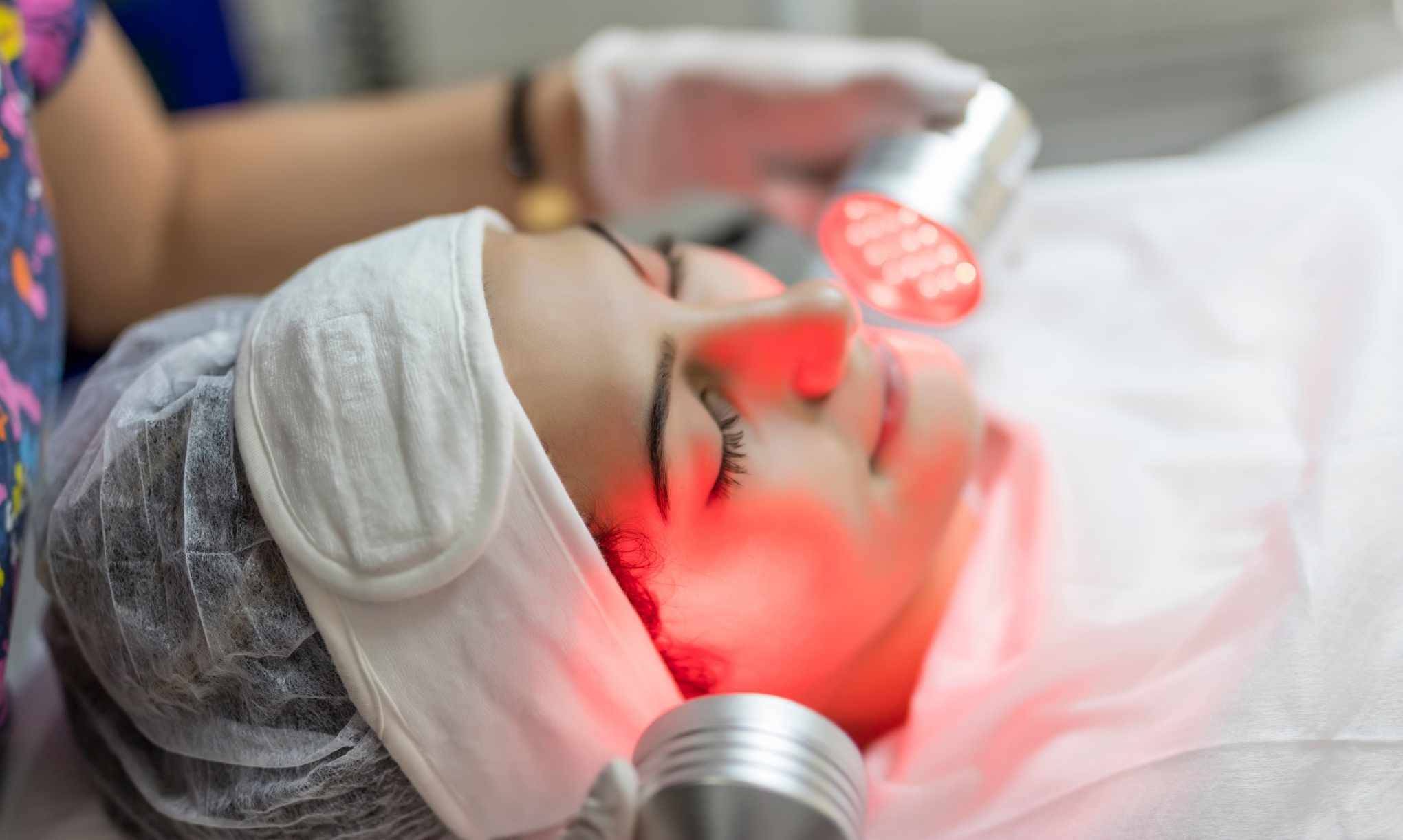
At its core, laser technology works by using concentrated light energy to penetrate the skin’s layers. This energy creates controlled micro-injuries that trigger the body’s natural healing response — encouraging collagen and elastin production.
There are two main categories of lasers:
· Ablative lasers (like CO₂ and Er:YAG): These remove the top layer of skin, promoting the growth of new, smoother tissue.
· Non-ablative lasers (like Nd:YAG and Fraxel): These heat the underlying skin without damaging the surface, stimulating deep collagen remodeling.
A study in the Journal of Clinical and Aesthetic Dermatology (2020) found that fractional non-ablative laser treatments increased dermal collagen density by up to 30% within 12 weeks, proving their effectiveness in improving firmness and reducing wrinkles.
By addressing both surface and structural issues, laser therapy rejuvenates the skin from within — offering results that look natural yet transformative.

2. Beyond Wrinkles: What Lasers Can Really Do
Laser treatments aren’t just about softening fine lines. They target a broad spectrum of aging concerns that traditional skincare can’t fully treat.
Lasers can effectively address:
· Fine lines and deep wrinkles
· Uneven skin tone and pigmentation
· Sun damage and age spots
· Acne scars and rough texture
· Enlarged pores and dullness
· Sagging or loss of elasticity
Each laser type is calibrated to a specific wavelength, allowing dermatologists to customize treatment according to the skin’s needs. For example, Fraxel lasers focus on resurfacing and texture, while Nd:YAG lasers target deeper layers for collagen tightening.
What sets laser therapy apart is precision — it rejuvenates skin exactly where needed, without harming surrounding tissue. This results in faster healing and longer-lasting benefits.
3. Why Laser Treatments Are Leading The Anti-Aging Revolution
For years, anti-aging efforts relied mainly on topical solutions or surgical interventions. Laser technology bridges the gap — combining the effectiveness of medical procedures with the safety and convenience of non-invasive treatments.
Key reasons for its growing popularity:
· Minimal downtime: Most patients resume daily activities within a day or two.
· Long-term results: Stimulated collagen production continues for months post-treatment.
· Customizable for all ages: Suitable for prevention in younger clients or correction in mature skin.
· Clinically proven: Supported by numerous dermatological studies for safety and efficacy.
According to some sources, the demand for non-invasive anti-aging procedures has increased by over 40% in the past five years, with laser resurfacing ranking among the top three most requested treatments worldwide.
This shift underscores how people today seek smart, science-driven solutions that enhance natural beauty rather than mask it.
4. Different Types Of Anti-Aging Laser Treatments
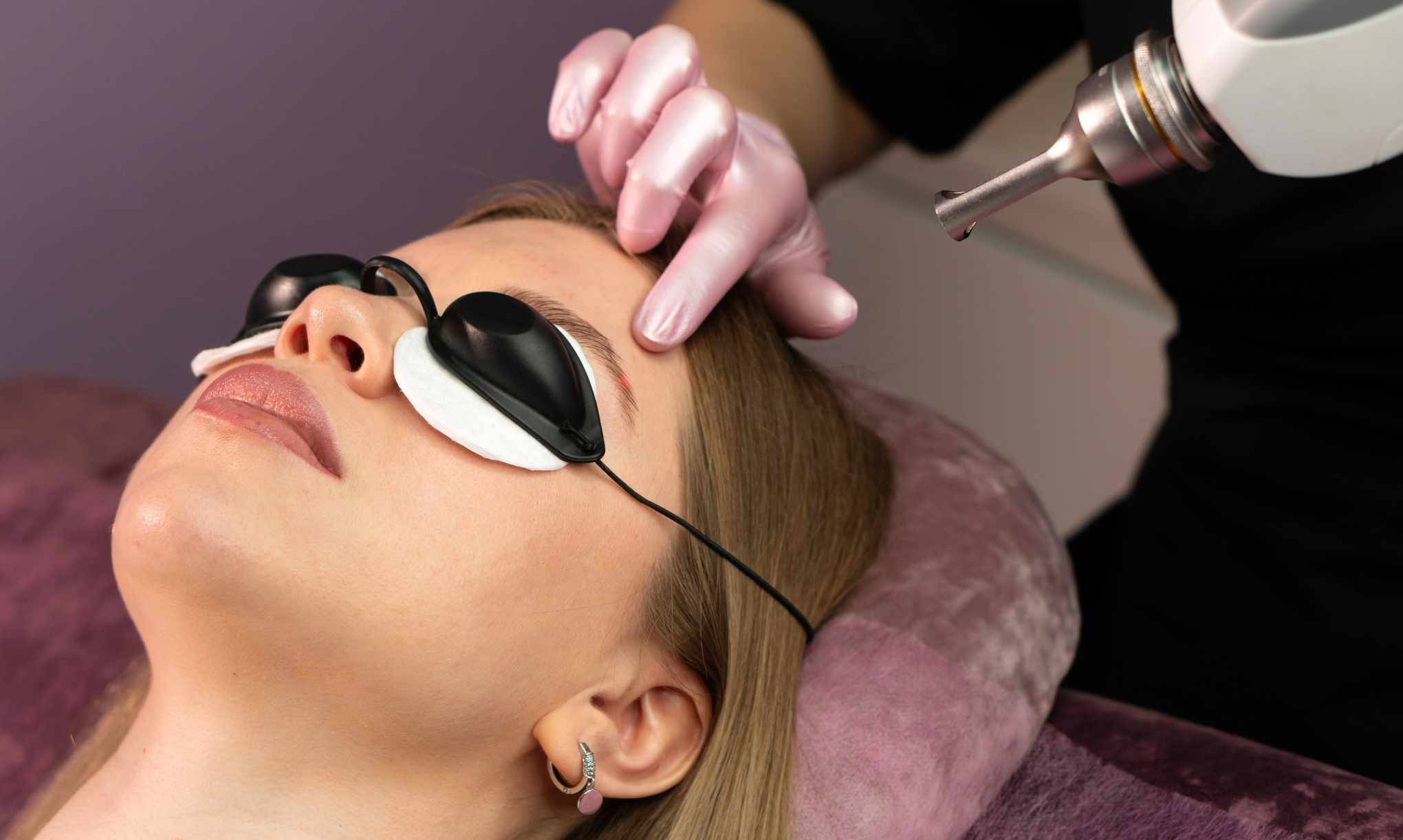
Laser skincare is not one-size-fits-all. Depending on your skin type, age, and goals, dermatologists may recommend one or a combination of laser technologies.
Here are some of the most effective anti-aging laser options:
· Fractional CO₂ Laser: Ideal for advanced wrinkles and texture correction; promotes new collagen formation.
· Er:YAG Laser: Great for mild resurfacing with quicker recovery.
· Nd:YAG Laser: Penetrates deeper to target collagen fibers and vascular lesions.
· Pico Laser: Works at ultra-short pulses to treat pigmentation, acne scars, and fine lines with minimal discomfort.
· Fraxel Dual Laser: Combines two wavelengths to treat surface and deep layers simultaneously.
Each of these treatments can deliver smoother, firmer, and more radiant skin over time. A qualified aesthetic doctor can assess your specific concerns and recommend a tailored approach.
Many of these advanced options are available through trusted medical spas and partner clinics listed on Trambellir, making it easier to book verified, high-quality laser rejuvenation treatments globally.
5. The Skin’s Healing Power: What Happens After Laser Treatment
One of the most fascinating aspects of laser technology is how it harnesses the body’s own regenerative capacity. After a session, your skin begins a natural process of renewal — replacing damaged cells with healthier, younger ones.
· Immediately after treatment: You may experience mild redness or warmth (similar to a sunburn), which typically subsides within hours to a day.
· Within days: Dead cells shed naturally, revealing brighter and smoother skin underneath.
· Over the following weeks: Collagen production increases, gradually tightening and plumping the skin.
Long-term, consistent treatments can lead to visibly firmer and clearer skin — a transformation that feels both authentic and sustainable.
Most dermatologists recommend a series of 3 to 6 sessions spaced a few weeks apart for optimal results, followed by yearly maintenance treatments.
6. Are Laser Treatments Safe For All Skin Types?
Modern laser systems are designed with precision and adaptability, allowing for safe use across various skin tones and sensitivities. However, the right laser type and settings are crucial.
· For lighter skin tones: Ablative and fractional lasers are often ideal.
· For medium to darker tones: Non-ablative or Nd:YAG lasers are preferred to reduce risks of hyperpigmentation.
7. The Future Of Anti-Aging Is Light-Powered
As technology advances, laser systems are becoming more intelligent and personalized. New-generation devices now combine AI-driven precision, dual wavelengths, and cooling technologies to enhance comfort and minimize side effects.
Researchers are also exploring laser-assisted delivery systems that help skincare ingredients — like peptides or retinoids — penetrate deeper for superior anti-aging outcomes.
The result? Treatments that are faster, more comfortable, and more effective than ever before. In essence, laser technology isn’t just transforming how we treat aging — it’s redefining what “aging gracefully” really means.
FAQ
Q1. How soon can I see results from laser anti-aging treatments?
Most people notice improved texture and radiance after the first session, with more dramatic results developing after 3 to 6 treatments sessions as collagen production increases.
Q2. Do laser treatments hurt?
Laser treatments may cause mild discomfort, often described as warmth or a tingling sensation. Most clinics use numbing creams and cooling technology to ensure comfort.
Q3. How long do the effects of laser anti-aging treatments last?
Results can last between 12 and 24 months depending on treatment type, skincare maintenance, and lifestyle factors. Many people schedule yearly maintenance sessions to prolong results.
Q4. Are there any side effects to laser treatments?
Temporary redness or mild swelling may occur but usually resolves within a few hours to a few days. Serious side effects are rare when the procedure is performed by certified professionals.
Q5. Can I get laser treatments if I have sensitive skin?
Yes, many non-ablative lasers are safe for sensitive skin. A dermatologist can recommend the best type based on your skin tone and sensitivity to ensure safe and effective results.


