

What you should know before trying it
By Kath Wong | February 9th, 2026
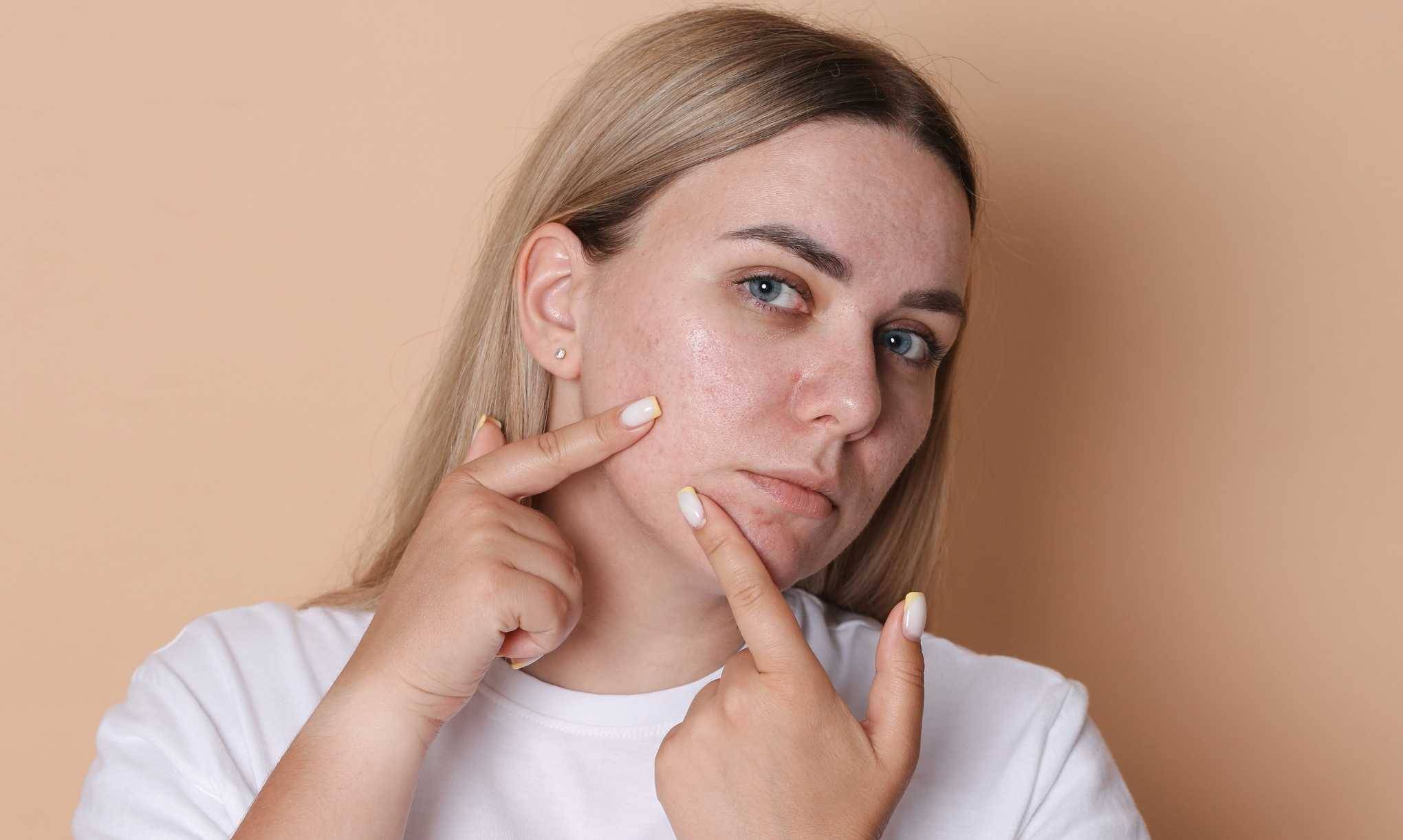
Acne scars can feel like a constant reminder of past breakouts — even when your skin is finally calm. But what if a treatment could target both the root cause of acne and the scars it leaves behind? AGNES is increasingly talked about for this reason, especially among those seeking smoother skin without aggressive laser procedures.
Before deciding if it’s the right solution, it helps to understand how the technology works, what results to expect, and who it’s best suited for.
Why Acne Scars Are So Difficult To Treat
Acne scars form when inflammation damages the deeper layers of the skin. As the skin heals, collagen may be produced unevenly, leaving indentations or rough texture.
Many individuals experience rolling scars that create an uneven surface, boxcar scars with clearer edges, or enlarged pores that remain after repeated breakouts. These concerns often require more than topical skincare because effective treatment needs to reach deeper skin layers to stimulate collagen and release scar tissue attachments.
What Is AGNES And How It Works
AGNES is an advanced treatment that combines microneedling with radiofrequency energy to target specific skin concerns at a deeper level. Using ultrafine insulated needles, controlled heat is delivered into the skin to stimulate tissue repair and collagen formation.
This energy encourages skin regeneration while helping break down fibrous scar tissue beneath the surface, gradually improving texture and smoothness over time. Because the needles are insulated except at the tip, energy can be delivered precisely where needed without harming the surrounding skin, which helps reduce downtime and surface irritation.
The treatment is commonly considered for acne scars, active acne, enlarged pores, and uneven skin texture, making it a versatile option for individuals dealing with multiple skin concerns at once.

Targeting The Root Cause Of Acne
One key reason AGNES stands out is its ability to address the source of breakouts. The radiofrequency energy can target sebaceous glands — the oil-producing glands that contribute to acne — helping reduce excess oil and future flare-ups.
By selectively treating these glands, the skin may become less prone to recurring acne while healing from previous damage. This dual effect — preventing new acne while improving existing scars — is why the treatment is often considered for long-term skin improvement rather than short-term correction.
How AGNES Improves Acne Scars And Texture
Acne scars are often tethered by fibrous tissue pulling the skin downward. AGNES uses targeted radiofrequency heat to release these attachments while stimulating collagen and elastin production.
Over time, this process may help fill shallow indentations, smooth uneven texture, tighten the appearance of pores, and improve overall skin tone. Collagen remodeling continues gradually after each session, which means improvements tend to appear progressively rather than instantly.
Treatment Experience And Downtime
AGNES is generally considered minimally invasive. Sessions often involve topical numbing, followed by precise application of the device to targeted areas.
Because the surface skin is largely preserved, downtime is usually shorter compared to more aggressive resurfacing procedures. Mild redness, swelling, or sensitivity may occur temporarily as the skin heals. Many people are able to return to normal activities relatively quickly, though full results take time as collagen regeneration develops over weeks.
Who Is A Suitable Candidate
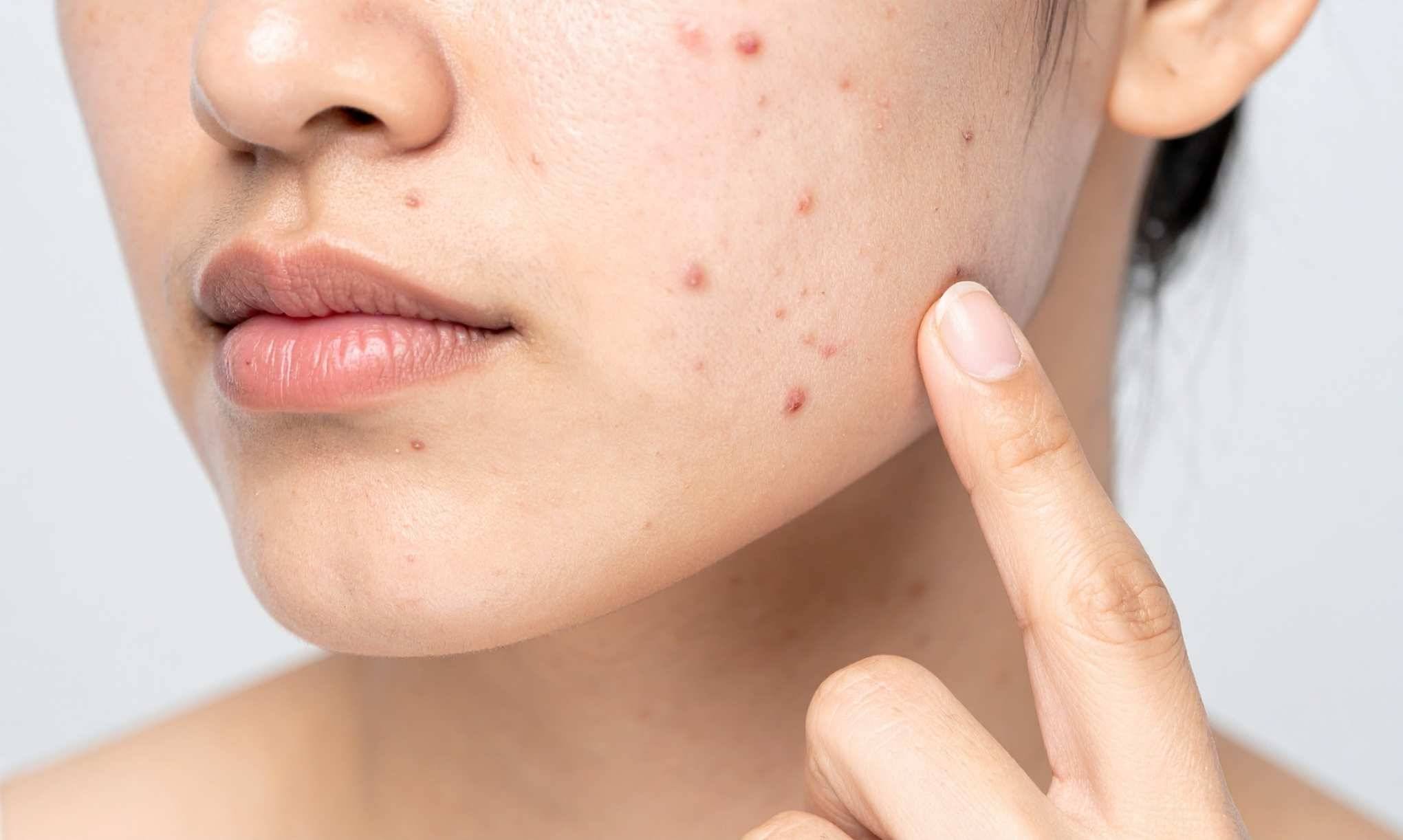
AGNES may be suitable for individuals who have acne scars that have not improved with skincare, experience recurring breakouts linked to excess oil production, or prefer a non-laser option for skin improvement. It may also appeal to those seeking gradual, natural-looking changes rather than dramatic short-term results.
The technology is often considered appropriate for various skin tones because the energy is delivered beneath the skin’s surface rather than across it. A professional consultation is still essential to determine whether the treatment matches your skin condition, expectations, and long-term goals.
Results: What To Expect Realistically
While many notice smoother texture and fewer breakouts over time, results depend on factors such as scar depth, skin condition, and treatment frequency. Some improvements may be visible after the first session, but multiple treatments are commonly recommended for more noticeable changes.
Because collagen production is gradual, skin continues to improve weeks after each session. This makes AGNES more of a long-term skin remodeling treatment rather than an instant fix.
Combining AGNES With Other Treatments
In aesthetic practice, AGNES is sometimes combined with complementary approaches for enhanced outcomes. Treatments such as subcision may be used for deeper tethered scars, while regenerative options like PRP can support healing. Laser procedures may also be introduced when pigmentation or surface texture concerns are present. Combination plans allow practitioners to address different layers of skin concerns in a structured way, supporting more balanced and comprehensive results.
Safety And Considerations
As with any aesthetic procedure, outcomes depend on professional expertise and individual skin response. Temporary redness, swelling, or mild sensitivity can occur after treatment, but these effects typically resolve as the skin heals.
Choosing experienced practitioners and following post-treatment care instructions are important steps for supporting recovery and achieving optimal results. For individuals exploring professional acne-scar solutions, platforms such as Trambellir can help compare available aesthetic services and treatment options before making a decision.
Is AGNES The Right Step for Your Skin Journey?
Managing acne scars is rarely about one quick solution. It often involves a combination of skin understanding, targeted treatments, and patience. AGNES offers an approach that focuses on rebuilding the skin from within while addressing ongoing acne concerns at their source.
For those looking to move beyond surface-level treatments and explore deeper skin remodeling, it can be a treatment worth discussing with a qualified aesthetic professional. Exploring curated providers and treatment information through Trambellir may also help you better understand what options are available and suitable for your skin goals.
FAQs
Q1. Does AGNES remove acne scars permanently?
It improves the appearance of scars by stimulating collagen and releasing scar tissue, but results vary depending on scar type and skin condition.
Q2. How many sessions are needed?
Multiple sessions are usually recommended, especially for deeper or long-standing scars.
Q3. Is the treatment painful?
Local anesthesia is typically used, and most people describe the sensation as tolerable pressure or heat.
Q4. Can it treat active acne too?
Yes, by targeting sebaceous glands and reducing oil production, it may help control breakouts.
Q5. When will I see results?
Initial changes may appear after one session, with continued improvement over several weeks as collagen forms.


