

Trambellir Articles

Double Chin: What Causes It?
Learn what causes a double chin, whether it can be prevented, and discover treatment options that may help create a more defined jawline. By Fara Farid | September 11th, 2026 Have you ever looked in the mirror or seen a photo of yourself and wondered where that extra fullness beneath your chin came from? A double chin is one of the most common aesthetic concerns among both men and women, and surprisingly, it isn't always linked to being overweight. While excess body fat can contribute to a double chin, many people with healthy body weights also develop fullness beneath the chin due to genetics, aging, or changes in skin elasticity. Fortunately, advances in aesthetic medicine have made it possible to address this concern through both non-surgical and surgical approaches. Understanding why a double chin develops is the first step toward finding the treatment that best suits your goals. What Exactly Is a Double Chin? A double chin, medically known as submental fullness, refers to the accumulation of fat, loose skin, or soft tissue beneath the chin that creates the appearance of a second chin. The condition may become visible only from certain angles or remain noticeable regardless of posture. Although harmless from a medical standpoint, many individuals seek treatment because a double chin can affect facial proportions and make the jawline appear less defined. Several structures contribute to the appearance of the lower face, including: · Submental fat beneath the chin · Skin elasticity · Neck muscles, particularly the platysma muscle · Bone structure of the jaw and chin Changes in one or more of these structures may contribute to the development of a double chin. Why Do Double Chins Develop? There is rarely a single cause. Instead, several factors often work together. Genetics: Your genes largely determine where your body stores fat and how your facial structure develops. Some people naturally inherit a smaller chin, weaker jawline, or a tendency to accumulate fat beneath the chin. Even individuals with a slim body frame may notice submental fullness because of inherited facial anatomy. Aging: As we age, collagen and elastin production gradually decline. These proteins help maintain firm, elastic skin. According to the American Academy of Dermatology, collagen production decreases with age, contributing to skin laxity and reduced structural support. As the skin becomes less firm, it may begin to sag beneath the jawline, making a double chin appear more noticeable. Loss of muscle tone and changes in fat distribution can further contribute to this process. Weight Gain: Weight gain is one of the most recognizable causes of a double chin. When excess calories are stored as body fat, deposits can accumulate in multiple areas, including beneath the chin. However, not everyone gains facial fat at the same rate, which explains why some people develop a double chin earlier than others. Even after losing weight, some residual fat or loose skin may remain. Poor Posture: Although poor posture does not directly create a double chin, prolonged forward-head posture may weaken neck muscles over time and exaggerate the appearance of fullness beneath the chin. Maintaining good posture helps improve neck alignment but should not be considered a standalone treatment for submental fullness. Is It Always Fat? Not necessarily. Many people assume every double chin is caused by excess fat, but this is not always true. The appearance may result from: · Loose or sagging skin · Loss of collagen and skin elasticity · Weak chin projection · Natural facial anatomy · Enlarged submental fat pads · Muscle laxity This is why two people with similar body weights may have very different jawline definitions. Can Lifestyle Changes Reduce a Double Chin? Lifestyle improvements can certainly help, especially if excess body fat contributes to the condition. Healthy habits include: · Maintaining a balanced diet · Regular physical activity · Staying hydrated · Getting sufficient sleep · Maintaining a stable body weight Weight loss may reduce fat beneath the chin for some individuals. However, if genetics, aging, or loose skin are the primary causes, lifestyle changes alone may not completely eliminate submental fullness. This is one reason why many people explore aesthetic treatments after reaching a healthy weight. Modern Treatments That May Improve a Double Chin Treatment options have expanded significantly in recent years, allowing doctors to tailor solutions according to the underlying cause rather than using a one-size-fits-all approach. HIFU (High-Intensity Focused Ultrasound) · HIFU is a non-invasive treatment that uses focused ultrasound energy to stimulate collagen production in deeper skin layers. Rather than removing fat directly, HIFU primarily works by tightening lax skin and improving skin firmness beneath the chin and along the jawline. Over several months, new collagen forms naturally, gradually creating a firmer and more defined appearance. HIFU is often recommended for individuals whose primary concern is mild to moderate skin laxity rather than large fat deposits. Fat-Dissolving Injections · Fat-dissolving injections target localized pockets of fat beneath the chin using injectable compounds designed to break down fat cells. Over time, the body naturally processes and removes the treated fat. Multiple sessions are often recommended depending on the amount of submental fullness present. This option is generally considered for individuals with good skin elasticity and localized fat beneath the chin. InMode Forma · Forma uses bipolar radiofrequency to gently heat the skin, encouraging collagen remodeling and improving skin elasticity. It is commonly used for mild skin tightening around the lower face and neck and may be suitable as part of a maintenance plan. Liposuction · For individuals with more significant fat deposits beneath the chin, liposuction offers a surgical option that removes fat directly through a small cannula. Because fat is physically removed, results are typically more immediate than non-surgical treatments, although recovery time is longer. Neck Lift or Lower Face Lift · When loose skin is the primary concern rather than excess fat, surgical lifting procedures may provide more noticeable improvement. These procedures tighten underlying tissues and remove excess skin to create a sharper jawline and smoother neck contour. Chin Augmentation · Sometimes the issue is not excess fat but a naturally recessed chin. Chin implants or chin fillers can improve facial proportions, making the jawline appear more defined and reducing the appearance of a double chin without removing any fat. A More Defined Jawline Starts With Understanding The Cause A double chin is a common concern that can affect people of all ages and body types. While excess fat is one possible cause, skin laxity, genetics, facial anatomy, and aging also play important roles in shaping the appearance of the lower face. The good news is that modern aesthetic medicine offers a wide range of treatment options, from non-invasive skin tightening procedures to fat reduction treatments and surgical contouring. The most suitable solution depends on the underlying cause rather than the appearance alone. If you are considering options to improve jawline definition, platforms like Trambellir allow you to explore aesthetic clinics and compare facial contouring treatments available across destinations such as South Korea, Japan, Thailand, and Turkey. Learning about the available options can help you make a more informed decision based on your individual goals and preferences. FAQs 1. Can slim people have a double chin? Yes. Genetics, facial structure, and reduced skin elasticity can all contribute to a double chin, even in individuals with a healthy body weight. 2. Does losing weight always remove a double chin? Not necessarily. Weight loss may reduce fat beneath the chin, but loose skin or inherited facial anatomy can still leave submental fullness. 3. Which non-surgical treatment is best for a double chin? The most appropriate treatment depends on the underlying cause. Skin-tightening treatments may be suitable for loose skin, while fat-dissolving injections are generally used for localized fat beneath the chin. 4. How long do double chin treatments take to show results? Treatment timelines vary depending on the procedure. Some treatments produce gradual improvements over several weeks or months as collagen develops, while surgical procedures often provide more immediate structural changes after recovery. 5. Can different treatments be combined? Yes. Many treatment plans combine fat reduction and skin tightening procedures to achieve more comprehensive facial contouring, depending on the individual's needs. …
Read More
Botox vs Dermal Fillers: Differences, Benefits & Results
Learn the key differences between Botox and dermal fillers, how they work, expected results, longevity, and which treatment may suit your goals. By Puteri Syafeeqa | September 4th, 2026 Have you ever looked in the mirror and wondered why some facial lines seem to deepen over time while certain areas appear less defined or lose volume? Modern aesthetic treatments offer several solutions, but one question continues to arise among first-time patients: Should you choose Botox or dermal fillers? Although both treatments are widely used to address signs of aging and enhance facial appearance, they work in very different ways. Understanding these differences can help you make informed decisions about your aesthetic goals and expectations. Whether you're considering smoothing wrinkles, restoring facial volume, or enhancing facial contours, knowing how Botox and dermal fillers compare is the first step toward achieving natural-looking results. Understanding Botox: How It Works on Dynamic Wrinkles Botox is a purified form of botulinum toxin type A that temporarily relaxes specific facial muscles responsible for creating expression lines. When we smile, frown, squint, or raise our eyebrows, repeated muscle movements eventually create wrinkles known as dynamic wrinkles. Botox works by reducing the muscle activity that causes these lines, allowing the skin to appear smoother. Common treatment areas include: · Forehead lines · Frown lines between the eyebrows · Crow's feet around the eyes · Bunny lines on the nose · Chin dimpling · Neck bands The treatment involves a series of small injections administered by a qualified medical professional. Most sessions take less than 30 minutes, making Botox a popular lunchtime procedure. According to the American Society of Plastic Surgeons (ASPS), botulinum toxin injections consistently rank among the most commonly performed minimally invasive cosmetic procedures worldwide. What Are Dermal Fillers and How Do They Restore Volume? Unlike Botox, dermal fillers do not affect muscle movement. Instead, they are injectable substances designed to add volume beneath the skin. Many modern fillers contain hyaluronic acid (HA), a naturally occurring substance in the body that helps maintain hydration and fullness. As aging progresses, collagen, fat, and hyaluronic acid levels decrease, leading to volume loss and sagging. Dermal fillers can help: · Restore volume in the cheeks · Enhance the lips · Improve chin definition · Contour the jawline · Fill under-eye hollows · Soften deep facial folds · Improve facial symmetry Because fillers physically occupy space beneath the skin, results are often visible immediately after treatment. Various filler formulations are available, each designed for different treatment areas and aesthetic goals. Botox vs Dermal Fillers: The Core Difference While both Botox and dermal fillers are popular non-surgical cosmetic treatments, they work in fundamentally different ways and are designed to address different concerns. Botox primarily works by relaxing targeted facial muscles. It is most effective for treating dynamic wrinkles, which are lines caused by repeated facial expressions such as smiling, frowning, or squinting. Common treatment areas include the forehead, crow's feet around the eyes, and frown lines between the eyebrows. Results typically become noticeable within a few days after treatment, with the full effect appearing after one to two weeks. Most Botox results last approximately three to four months. Because Botox reduces muscle activity, it helps prevent wrinkles from becoming deeper over time. Dermal fillers, on the other hand, are designed to restore lost volume and enhance facial contours. They are particularly effective for treating static wrinkles, which remain visible even when the face is at rest, as well as areas affected by age-related volume loss. Common treatment areas include the cheeks, lips, jawline, chin, and under-eye hollows. Unlike Botox, filler results are often visible immediately after treatment. Depending on the type of filler used and the treatment area, results can last anywhere from six months to two years or longer. Dermal fillers do not affect muscle movement, allowing normal facial expressions to remain unchanged. In simple terms, Botox targets the muscles that cause wrinkles, while dermal fillers add volume beneath the skin. If facial lines are primarily caused by repeated expressions, Botox may be the better option. If the concern is volume loss, facial hollowing, or deeper folds, dermal fillers are often more suitable. Many patients choose to combine both treatments to achieve more comprehensive and natural-looking facial rejuvenation. Dynamic vs Static Wrinkles: Why the Distinction Matters One of the most important factors when choosing between Botox and fillers is understanding the type of wrinkle being treated. Dynamic Wrinkles Dynamic wrinkles appear when facial muscles contract. Examples include: · Forehead lines when raising eyebrows · Crow's feet when smiling · Frown lines when concentrating These wrinkles generally respond well to Botox because muscle activity is the primary cause. Static Wrinkles Static wrinkles remain visible even when the face is at rest. Examples include: · Nasolabial folds · Marionette lines · Deep cheek creases These wrinkles are often associated with volume loss and collagen reduction, making dermal fillers a more suitable option. Many individuals have both dynamic and static wrinkles, which is why combination treatment plans are frequently recommended. Comparing Treatment Experience and Recovery Both Botox and dermal fillers are minimally invasive procedures, but the treatment experience can differ slightly. Botox Treatment Experience The procedure typically involves: 1. Consultation and facial assessment 2. Cleansing of treatment areas 3. Small injections into targeted muscles 4. Immediate return to most daily activities 5. Patients may experience mild redness or tiny injection marks that usually resolve quickly. Dermal Filler Treatment Experience The process often includes: 1. Facial evaluation and treatment planning 2. Application of numbing cream if needed 3. Strategic filler injections 4. Gentle molding of treated areas 5. Temporary swelling, tenderness, or bruising can occur, especially in sensitive areas such as the lips. Most individuals can resume normal activities shortly after treatment, although practitioners may recommend avoiding strenuous exercise for a short period. How Long Do Results Last? Longevity is another major consideration when comparing Botox and fillers. Botox Duration Results typically begin appearing within 3 to 7 days and reach their full effect after approximately two weeks. Most patients enjoy smoother skin for: · 3 to 4 months · Sometimes up to 6 months depending on individual factors · Regular maintenance treatments are required to sustain results. Dermal Filler Duration Filler longevity depends on the product used, treatment area, and individual metabolism. General estimates include: · Lip fillers: 6 - 12 months · Cheek fillers: 12 - 24 months · Jawline and chin fillers: 12 - 24 months Some advanced fillers may last even longer under specific circumstances. The longevity advantage often makes fillers appealing for individuals seeking less frequent maintenance appointments. Which Treatment Delivers More Natural-Looking Results? A common misconception is that injectable treatments inevitably create an artificial appearance. In reality, natural-looking outcomes depend largely on: · Proper patient selection · Appropriate product choice · Accurate injection techniques · Conservative treatment planning When performed by experienced professionals, both Botox and fillers can produce subtle enhancements rather than dramatic changes. Modern aesthetic trends increasingly focus on maintaining facial harmony and preserving natural expressions instead of creating an overly treated look. The best results often occur when treatments complement existing facial features rather than attempting to drastically alter them. Can Botox and Dermal Fillers Be Combined? Absolutely. Many aesthetic practitioners use a combination approach known as a liquid facelift, where Botox and fillers address different aspects of facial aging simultaneously. For example: · Botox may soften forehead lines and crow's feet. · Fillers may restore cheek volume and improve facial contours. This comprehensive strategy can provide more balanced and harmonious results than either treatment alone. Patients often appreciate that combination treatments target multiple concerns while still avoiding surgery and extended recovery periods. For those exploring cosmetic treatments abroad, platforms such as Trambellir can help connect travelers with clinics offering a wide range of aesthetic services, including injectables, skin rejuvenation treatments, and personalized beauty consultations. Safety Considerations Before Treatment Botox and dermal fillers generally have strong safety profiles when administered by qualified medical professionals. However, no cosmetic procedure is completely risk-free. Potential side effects may include: · Redness · Swelling · Bruising · Tenderness · Temporary asymmetry More serious complications are rare but can occur if injections are performed improperly. Before treatment, patients should: · Choose licensed and experienced practitioners · Discuss medical history thoroughly · Review treatment expectations · Understand potential risks and benefits The U.S. Food and Drug Administration (FDA) advises patients to receive injectable treatments only from trained healthcare providers. Choosing Between Botox and Fillers Based on Your Goals The ideal treatment depends on your specific concerns. You may be a good candidate for Botox if you want to: · Smooth forehead lines · Reduce crow's feet · Soften frown lines · Prevent wrinkle progression You may be a good candidate for dermal fillers if you want to: · Restore lost facial volume · Enhance lips · Define the jawline · Improve cheek contours · Fill deeper facial folds If you're unsure which option suits your goals, a professional consultation can help determine the most effective treatment plan. Many patients discover that combining both approaches provides the most comprehensive rejuvenation while maintaining a natural appearance. Those researching aesthetic treatments internationally may also find it useful to compare available options through medical travel platforms such as Trambellir, which showcase clinics and treatment information across multiple destinations. Frequently Asked Questions 1. Is Botox better than dermal fillers? Neither treatment is universally better. Botox is more effective for dynamic wrinkles caused by muscle movement, while dermal fillers are better suited for restoring volume and treating static wrinkles. 2. Which lasts longer: Botox or dermal fillers? Dermal fillers generally last longer. Botox typically lasts 3–4 months, whereas many fillers can last between 6 and 24 months depending on the product and treatment area. 3. Are Botox and dermal filler injections painful? Most patients report only mild discomfort. Fine needles, topical numbing creams, and fillers containing lidocaine help improve comfort during treatment. 4. Can Botox and dermal fillers be performed on the same day? Yes. Many practitioners safely perform both treatments during the same appointment when appropriate for the patient's aesthetic goals. 5. At what age should someone consider Botox or dermal fillers? There is no specific age requirement beyond legal and medical eligibility. Some individuals begin preventive Botox in their late twenties or thirties, while others seek fillers later when volume loss becomes more noticeable. …
Read More
Do Collagen Drinks Really Work for Skin Health?
Explore whether collagen drinks improve skin, hair, and aging. Learn the science, benefits, limits, and how wellness support may enhance results. By Puteri Syafeeqa | August 28th, 2026 The Beauty Promise in a Bottle: Why Collagen Drinks Are Everywhere Walk through any pharmacy or scroll through social media, and you’ll likely see bottles of collagen drinks promising glowing skin, stronger hair, and youthful elasticity. The idea is appealing—drink something simple every day and watch visible signs of aging slow down. But the real question remains: do collagen drinks really work, or are they just another wellness trend wrapped in smart marketing? Collagen is already the most abundant protein in the human body, acting as a structural “scaffold” for skin, joints, and connective tissues. As we age, natural collagen production declines, often starting in our mid-20s. This decline contributes to wrinkles, dryness, and reduced skin firmness. Collagen drinks typically contain hydrolyzed collagen peptides—broken-down forms of collagen designed for easier absorption. The theory is that these peptides signal the body to rebuild collagen in the skin. However, digestion and biological conversion are more complex than advertising suggests. To understand whether these drinks truly deliver results, we need to look beyond marketing claims and into how the body processes collagen—and what scientific research actually shows. From Sip to Skin: What Happens After You Drink Collagen When you consume a collagen drink, it does not travel directly to your skin in its original form. Instead, it undergoes digestion in the stomach and small intestine, where it is broken down into amino acids and small peptides. These building blocks are then absorbed into the bloodstream. Some of these peptides, such as proline-hydroxyproline, have been studied for their potential role in stimulating fibroblasts—the cells responsible for producing collagen in the skin. However, it is important to understand that the body does not “store” collagen specifically for the face or skin. Instead, it distributes amino acids where they are needed most, which may include skin, joints, or internal organs. This is where collagen supplementation becomes both interesting and uncertain. While the body can use these nutrients for collagen synthesis, it does not guarantee targeted cosmetic effects. The effectiveness depends on multiple factors, including diet quality, hydration, sleep, UV exposure, and overall skin health. In simple terms, collagen drinks provide raw materials—but whether your body uses them to improve skin appearance is influenced by broader biological conditions. What Clinical Studies Actually Reveal About Collagen Drinks Scientific interest in collagen supplementation has grown significantly over the past decade. Several clinical studies suggest that hydrolyzed collagen may offer modest improvements in skin hydration, elasticity, and wrinkle depth. A frequently cited review published in the Journal of Drugs in Dermatology analyzed multiple randomized controlled trials and found that collagen peptides improved skin elasticity and hydration after 8–12 weeks of consistent use. Another study in Nutrients (2019) reported similar findings, noting measurable improvements in skin density and moisture levels among participants taking collagen supplements compared to placebo groups. Despite these promising results, researchers emphasize that: · Improvements are generally mild to moderate, not dramatic · Results vary widely between individuals · Most studies are funded or supported by supplement manufacturers, which may introduce bias · Long-term effects beyond 6 months are still not well established It is also worth noting that many studies combine collagen with other ingredients such as vitamin C, hyaluronic acid, or antioxidants, making it difficult to isolate collagen as the sole active factor. Overall, the evidence suggests collagen drinks may support skin health—but they are not a replacement for medical-grade dermatological treatments or a balanced lifestyle. Who May Notice Results & What Those Results Look Like Not everyone will experience the same level of improvement from collagen drinks. Some individuals may notice subtle changes in skin texture or hydration, while others may see little difference at all. Those who may benefit most typically include: · Individuals in their late 20s and beyond, when natural collagen decline begins · People with dry or dehydrated skin · Individuals with inconsistent dietary protein intake · Those exposed to high levels of sun or environmental stress When collagen supplementation does work, the changes are usually gradual and subtle. Commonly reported improvements include: · Slightly smoother skin texture · Improved hydration and “plumpness” · Reduced appearance of fine lines over time · Healthier-looking nails and hair in some cases However, collagen drinks should not be expected to produce results similar to cosmetic procedures. Think of them more as supportive nutrition rather than corrective treatment. For those seeking more structured skin rejuvenation options, wellness-focused platforms such as Trambellir’s Health And Wellness services offer access to broader treatments that complement lifestyle-based skincare approaches. The Myths, Limits, and Smart Way to Use Collagen Supplements Despite their popularity, collagen drinks are surrounded by misconceptions. One of the biggest myths is that collagen from drinks directly replaces lost collagen in the skin. As explained earlier, the body does not work in such a direct “replacement” system. Other important limitations include: · Absorption variability: Not all collagen peptides are absorbed equally · Diet dependency: Without sufficient vitamin C, collagen synthesis is less efficient · Lifestyle impact: Smoking, poor sleep, and UV exposure can override benefits · Cost vs. results: Long-term use can be expensive compared to dietary sources of protein To use collagen drinks more effectively, they are best combined with supportive habits: · A diet rich in protein (fish, eggs, legumes) · Vitamin C sources such as citrus fruits and leafy greens · Daily sunscreen use to reduce collagen breakdown · Adequate hydration and sleep Collagen drinks may play a small supportive role, but they work best as part of a broader skin health strategy rather than a standalone solution. Supporting Collagen Naturally with a Wellness-Focused Approach Instead of relying solely on supplements, many experts emphasize stimulating the body’s own collagen production. This can be achieved through a combination of nutrition, lifestyle, and targeted wellness care. Key natural strategies include: · Consuming amino acid-rich foods such as chicken, tofu, and fish · Increasing antioxidant intake to reduce oxidative stress · Managing stress levels, which can accelerate skin aging · Engaging in regular physical activity to improve circulation In recent years, wellness clinics have also begun offering treatments that support skin vitality from within, such as nutrient infusions and personalized health assessments. These approaches aim to enhance overall skin condition rather than focusing on a single supplement. Some individuals exploring skin health optimization combine collagen drinks with professional wellness guidance to create a more comprehensive routine. Platforms like Trambellir help connect users to such Health And Wellness options across different regions, making it easier to explore supportive care alongside daily nutrition habits. So, Do Collagen Drinks Really Work? Collagen drinks are not magic solutions, but they are not entirely ineffective either. The most accurate answer lies somewhere in between. Research suggests they may provide modest improvements in skin hydration and elasticity when taken consistently over time, especially in individuals already experiencing early signs of collagen decline. However, expectations should remain realistic. Collagen supplements work best as part of a wider lifestyle approach that includes balanced nutrition, sun protection, and healthy habits. Without these foundations, even the best supplement is unlikely to deliver noticeable results. In the end, collagen drinks can be viewed as supportive skincare nutrition rather than transformative treatment. The real secret to long-term skin health still lies in how well you care for your body as a whole. Frequently Asked Questions (FAQs) 1. Do collagen drinks really improve skin appearance? Collagen drinks may improve skin hydration and elasticity slightly, but results are usually subtle and vary between individuals. 2. How long does it take for collagen drinks to show results? Most studies suggest visible changes may appear after 8 to 12 weeks of consistent use, though some users may take longer. 3. Are collagen drinks better than collagen supplements in powder or capsules? Effectiveness depends more on collagen type and dosage than format. Drinks, powders, and capsules can be similarly effective if hydrolyzed collagen is used. 4. Can collagen drinks replace skincare products? No. Collagen drinks support internal nutrition but do not replace topical skincare or sun protection. 5. Are there any side effects of collagen drinks? They are generally safe for most people, though mild digestive discomfort or allergies may occur in sensitive individuals. …
Read More
Breast Lift Surgery: Benefits, Recovery & Expectations
Learn how breast lift surgery works, who it may benefit, recovery expectations, and key factors to consider before treatment. By Fara Farid | August 21st, 2026 Have you ever noticed that your breasts no longer sit where they once did, despite maintaining a healthy lifestyle? Changes in breast shape and position are a natural part of life, influenced by aging, pregnancy, weight fluctuations, and genetics. While these changes are common, they can affect how individuals feel about their appearance, clothing choices, and overall confidence. Breast lift surgery, also known as mastopexy, is a procedure designed to reshape and elevate the breasts by addressing sagging and improving contour. Rather than increasing breast size, the procedure focuses on creating a firmer, more youthful breast position. As interest in body confidence and personalized aesthetic care continues to grow, breast lift surgery remains one of the most sought-after procedures worldwide. Why Do Breasts Lose Firmness Over Time? Breast tissue naturally changes throughout life. Factors such as pregnancy, breastfeeding, significant weight changes, hormonal fluctuations, and the aging process can affect skin elasticity and breast support structures. Common causes of breast sagging include: · Loss of skin elasticity with age · Pregnancy and breastfeeding · Significant weight loss or gain · Genetic predisposition · Natural gravitational effects over time According to the American Society of Plastic Surgeons (ASPS), breast lift procedures remain among the most frequently performed cosmetic breast surgeries, reflecting growing interest in breast rejuvenation and contour improvement. While sagging is a normal biological process, many individuals seek treatment to restore breast shape and improve proportion relative to the rest of their body. Understanding What a Breast Lift Actually Does A breast lift is designed to reposition breast tissue and the nipple-areola complex to a higher location on the chest while removing excess skin. The procedure aims to improve breast contour and projection rather than significantly increase volume. A breast lift may help: · Improve breast position · Create a firmer appearance · Enhance breast symmetry · Reposition downward-facing nipples · Improve body proportions It is important to understand that a breast lift is not the same as breast augmentation. Patients seeking larger breasts may discuss combining a lift with implants, while others may achieve their desired results through a lift alone. A consultation with a qualified surgeon is essential to determine the most appropriate treatment approach based on individual goals and anatomy. Who May Consider a Breast Lift? Candidates for breast lift surgery vary widely in age and lifestyle. Many patients seek treatment after experiencing physical changes that affect breast shape and position. A breast lift may be considered by individuals who: · Feel their breasts have lost firmness · Notice nipples positioned below the breast crease · Experience asymmetry between breasts · Have completed pregnancy and breastfeeding · Maintain a stable body weight · Are in good general health While age is not the primary determining factor, realistic expectations and overall health are important considerations during the assessment process. Every person's anatomy is unique, which is why individualized consultation and treatment planning are critical for achieving satisfactory outcomes. Modern Breast Lift Techniques and Personalization Advancements in surgical techniques have enabled surgeons to tailor breast lift procedures to varying degrees of breast sagging and individual aesthetic goals. The surgical approach may differ depending on: · Degree of skin laxity · Breast size and shape · Desired outcome · Existing breast asymmetry · Skin quality and elasticity Modern techniques focus not only on elevating breast tissue but also on preserving natural-looking proportions and long-term structural support. Patients are increasingly seeking results that enhance their natural anatomy rather than dramatically altering their appearance. This trend has contributed to the growing popularity of customized treatment planning within aesthetic surgery. Recovery and What Patients Can Expect Recovery experiences vary from person to person, but most patients can expect a gradual healing process over several weeks. Common recovery milestones include: · Temporary swelling and bruising · Use of a supportive surgical bra · Limited physical activity during early recovery · Gradual return to normal routines · Continued improvement as swelling subsides Most patients are able to resume light daily activities within a relatively short period, although strenuous exercise may require additional recovery time as advised by the surgeon. Following post-operative instructions carefully is one of the most important factors in supporting healing and optimizing outcomes. Open communication with the surgical team can help address concerns and ensure appropriate recovery expectations. Beyond Appearance: The Emotional Benefits of Breast Rejuvenation While breast lift surgery is often categorized as a cosmetic procedure, many patients report benefits that extend beyond physical appearance. Potential quality-of-life improvements may include: · Greater confidence in clothing choices · Improved body image · Enhanced comfort during daily activities · Increased satisfaction with physical appearance Research published in Plastic and Reconstructive Surgery has found that breast surgery patients frequently report improvements in psychosocial well-being and body image following treatment. It is important to recognize that aesthetic procedures are highly personal decisions. The goal is not perfection but helping individuals feel more comfortable and confident in their own bodies. Exploring Breast Lift Options with Confidence Choosing whether to undergo breast lift surgery requires thoughtful consideration, professional guidance, and realistic expectations. Understanding the procedure, recovery process, and potential outcomes can help individuals make informed decisions aligned with their personal goals. For those exploring breast lift procedures internationally, platforms such as Trambellir provide access to treatment information, clinic options, and medical travel support services that can simplify the research process. Whether someone is beginning their journey or actively comparing providers, having access to trusted information is an important first step. As aesthetic medicine continues to evolve, breast lift surgery remains a valuable option for individuals seeking to restore breast shape, improve body confidence, and address changes that occur naturally throughout life. Frequently Asked Questions 1. What is the difference between a breast lift and breast augmentation? A breast lift focuses on improving breast position and shape, while breast augmentation primarily increases breast volume using implants or fat transfer techniques. 2. How long does breast lift surgery take? Procedure duration varies depending on the complexity of the case, but breast lift surgery typically takes several hours and is performed by a qualified plastic surgeon. 3. Will a breast lift leave scars? All surgical procedures involve some degree of scarring. Surgeons use various techniques to position incisions strategically, and scars generally improve over time as healing progresses. 4. Can a breast lift be combined with other procedures? Yes. Depending on individual goals, some patients may combine a breast lift with breast augmentation or other body contouring procedures after consultation with their surgeon. 5. How do I know if I am a good candidate for a breast lift? The best way to determine candidacy is through a consultation with a qualified plastic surgeon who can assess your anatomy, health status, and aesthetic goals. …
Read More
Why Healthy Hair Starts With a Healthy Scalp
Discover why scalp health is essential for stronger hair growth and explore treatments that support healthier hair and scalp wellness. By Fara Farid | July 31st, 2026 Have you ever wondered why some people have thick, healthy-looking hair while others experience thinning, excessive shedding, or slow hair growth despite using expensive shampoos and hair products? While many people focus on caring for their hair strands, the real foundation of healthy hair lies beneath the surface - the scalp. The scalp is living skin that contains thousands of hair follicles, sebaceous glands, blood vessels, and nerve endings that work together to support healthy hair growth. When the scalp is well-nourished and balanced, it creates an environment where hair follicles can function efficiently. However, if the scalp becomes unhealthy due to inflammation, poor circulation, excess oil, buildup, or underlying medical conditions, hair quality may gradually decline. Hair health is influenced by many factors, including genetics, hormones, nutrition, stress, lifestyle, and scalp condition. While not every type of hair loss can be prevented, maintaining a healthy scalp may improve the environment needed for stronger, healthier hair. Why Your Scalp Matters More Than You Think Your scalp performs many important functions beyond simply holding your hair in place. Like the skin on the rest of your body, it requires proper care and maintenance to remain healthy. Each hair follicle depends on an adequate supply of oxygen and nutrients delivered through tiny blood vessels beneath the scalp. Healthy circulation helps support the normal hair growth cycle by nourishing follicles during their active growth phase. Several factors can disrupt this delicate balance, including: · Excess oil production · Product buildup · Dead skin accumulation · Chronic scalp inflammation · Hormonal changes · Aging · Emotional or physical stress · Certain medical conditions When these issues persist, follicles may become less efficient, potentially contributing to thinner hair, slower growth, or increased shedding. Maintaining scalp health plays an important role in supporting overall hair health, although treatment recommendations depend on the underlying cause of hair loss. Common Signs Your Scalp May Need Attention Scalp concerns do not always cause obvious symptoms. In many cases, early warning signs develop gradually before noticeable hair thinning occurs. Some common signs include: · Increased daily hair shedding · Persistent itchiness · Excessive oiliness · Dry, flaky scalp · Scalp sensitivity · Frequent dandruff · Hair that appears thinner than before · Slow hair growth · Loss of hair volume These symptoms do not necessarily indicate permanent hair loss. In many situations, they may simply suggest that the scalp environment could benefit from professional assessment and appropriate care. The Hair Growth Cycle Starts at the Follicle Understanding how hair grows helps explain why scalp health is so important. Every hair follicle naturally cycles through three main stages: 1. Anagen (Growth Phase) This is the active growth stage, during which hair continues growing for several years. Approximately 85 - 90% of healthy scalp hair is typically in this phase at any given time. 2. Catagen (Transition Phase) The follicle gradually shrinks and separates from its blood supply, preparing to enter the resting stage. 3. Telogen (Resting Phase) Hair eventually sheds, allowing a new hair to begin growing from the same follicle. This continuous cycle occurs throughout life. However, inflammation, poor circulation, hormonal imbalance, nutritional deficiencies, or certain scalp disorders may shorten the growth phase or increase shedding, affecting overall hair density. Modern Hair Restoration Looks Beyond Hair Alone Hair restoration is no longer limited to surgical procedures. Today, specialists often recommend personalized treatment plans based on the cause, severity, and pattern of hair loss. For individuals experiencing early thinning, improving scalp health may become the first step before considering more advanced interventions. Depending on individual needs, treatment plans may include: Scalp Therapy Professional scalp therapy focuses on cleansing the scalp, removing excess buildup, improving hydration, and supporting a healthier scalp environment. Some treatments may also include massage techniques that encourage relaxation and temporarily increase blood circulation to the scalp. PRP Hair Restoration Platelet-Rich Plasma (PRP) Hair Restoration uses concentrated platelets prepared from the patient's own blood. These platelets contain naturally occurring growth factors that may have potential in supporting tissue healing and hair follicle function. PRP is commonly offered as part of a non-surgical hair restoration plan for suitable candidates. PDO Hair Restoration PDO Hair Restoration uses absorbable polydioxanone (PDO) threads strategically placed beneath the scalp. These threads are intended to stimulate collagen production and improve the scalp environment while supporting circulation around targeted areas. PDO is often combined with other hair restoration techniques depending on individual treatment goals. Hair Transplant Surgery For individuals experiencing more advanced or permanent hair loss, hair transplantation may offer a long-term solution. Modern techniques such as Follicular Unit Extraction (FUE) involve harvesting individual hair follicles from areas with healthy hair growth before transplanting them into thinning or bald areas. Since the transplanted follicles are typically resistant to pattern hair loss, they can continue producing hair naturally over time. Hair transplantation is commonly performed for both men and women, although the treatment approach differs depending on the pattern and cause of hair loss. Healthy Hair Requires More Than Good Shampoo Many people invest heavily in shampoos, conditioners, hair oils, and supplements while overlooking the importance of their scalp. Although quality hair care products help maintain the hair shaft, they cannot replace the role of a healthy scalp in supporting long-term hair growth. A balanced approach to hair health often includes: · Maintaining good scalp hygiene · Eating a balanced, nutrient-rich diet · Managing stress levels · Getting sufficient sleep · Protecting the scalp from excessive sun exposure · Seeking professional advice when hair loss becomes noticeable When Is It Time to Seek Professional Advice? Occasional hair shedding is a normal part of the hair growth cycle. However, persistent or rapidly worsening hair loss may warrant professional evaluation. You may consider consulting a hair restoration specialist if you notice: · Hair shedding that continues for several months · Progressive thinning around the crown or hairline · Widening of the hair part · Bald patches · Sudden hair loss following illness or significant stress · Persistent scalp itching, redness, or discomfort · Hair breakage accompanied by scalp problems Early assessment allows potential underlying causes to be identified. Treatment recommendations can then be tailored to your individual needs. Supporting Your Hair Journey with Personalized Care Every person's hair loss journey is different. Rather than focusing solely on replacing lost hair, modern hair restoration emphasizes creating an environment where healthy hair can continue to grow and thrive. A personalized treatment plan that considers both scalp condition and hair follicle health offers a more comprehensive approach to long-term hair wellness. If you are exploring hair restoration options, our platform, Trambellir, make it easier to compare treatments offered by affiliated clinics in different destinations. Whether you are interested in professional Scalp Therapy, non-surgical hair restoration, or advanced hair transplant procedures, consulting qualified healthcare professionals is the first step toward finding a treatment plan that suits your goals. Frequently Asked Questions 1. Why is scalp health important for hair growth? A healthy scalp provides the environment needed for hair follicles to function properly. Good circulation, balanced oil production, and healthy skin can help support the natural hair growth cycle. 2. Can Scalp Therapy help with hair loss? Scalp Therapy primarily focuses on improving scalp health rather than directly treating hair loss. However, maintaining a healthier scalp may support stronger hair growth as part of a comprehensive hair care routine. 3. What is the difference between PRP and PDO? PRP uses concentrated platelets from the patient's own blood to support normal hair follicle function, while PDO uses absorbable threads that promote collagen production and improve the scalp environment. The most appropriate treatment depends on individual needs and professional assessment. 4. When is a hair transplant recommended? Hair transplantation is generally considered for individuals with permanent or advanced hair loss who have sufficient healthy donor hair. A consultation with a qualified doctor is necessary to determine suitability. 5. How long does it take to see results from hair restoration treatments? Results vary depending on the treatment performed and individual factors. Many non-surgical treatments require several months before noticeable improvements appear, while hair transplant results typically continue developing over 9 to 12 months. …
Read More
Beauty Maintenance Around the World: Popular Treatments Across Asia
Explore popular beauty treatments across Asia, from Korea to Japan and Thailand, and discover why beauty travel continues to grow worldwide. By Puteri Syafeeqa | July 27th, 2026 Would you travel to another country for glowing skin, healthier hair, or a more youthful appearance? For millions of beauty enthusiasts, the answer is yes. Across Asia, beauty treatments have become more than cosmetic procedures. They are often part of a self-care journey that combines advanced technology, experienced practitioners, and memorable travel experiences. Asia has earned a strong reputation as a destination for innovative beauty treatments. Countries such as South Korea, Japan, Thailand, Taiwan, and Singapore each offer unique approaches to beauty maintenance, attracting both local and international visitors. From minimally invasive facial rejuvenation to relaxing wellness therapies, these destinations continue to shape global beauty trends. Whether the goal is maintaining healthy skin, slowing visible signs of aging, or enhancing natural features, understanding the beauty culture across Asia can help individuals make informed decisions. Platforms like Trambellir also make it easier to explore trusted beauty providers across multiple destinations while planning a wellness-focused trip. Why Asia Leads the Global Beauty Treatment Industry Asia's beauty industry has experienced remarkable growth over the past decade. Several factors contribute to its popularity, including continuous technological innovation, skilled medical professionals, competitive pricing, and strong consumer demand for preventive beauty care. Unlike waiting until visible aging becomes significant, many people in Asia focus on maintaining healthy skin from an early age. Preventive treatments have become a regular part of beauty routines rather than occasional procedures. Several trends have shaped this approach: · Personalized skin analysis before treatment · Surgical aesthetic procedures with minimal downtime · Combination therapies for long-term skin health · Emphasis on natural-looking results · Integration of beauty treatments with wellness experiences According to the International Society of Aesthetic Plastic Surgery (ISAPS), minimally invasive aesthetic procedures continue to increase globally, reflecting growing interest in treatments that improve appearance without major surgery. South Korea: The Global Capital of Beauty Innovation South Korea has become synonymous with advanced skincare and aesthetic medicine. The country's beauty philosophy focuses on achieving healthy, radiant skin rather than dramatic transformation. Many visitors travel specifically for treatments such as: · Skin boosters · Laser resurfacing · Pico laser pigmentation treatment · Rejuran skin rejuvenation · Ultherapy · Thermage · Botox · Dermal fillers · Acne scar treatment Comprehensive skin analysis using imaging technology is often the first step before any procedure. This personalized approach allows practitioners to recommend treatments based on hydration levels, pigmentation, pores, wrinkles, and skin sensitivity. Many Korean clinics also combine multiple treatments into customized programs designed to improve skin gradually over several sessions. The country's influence extends beyond clinical treatments. Korean skincare products, routines, and preventive beauty philosophy have inspired consumers worldwide. Japan's Philosophy: Natural Beauty Through Prevention Japan takes a slightly different approach to beauty maintenance. Rather than focusing primarily on correction, Japanese beauty culture emphasizes preservation and long-term skin health. Popular treatments include: · Facial hydration therapy · Medical-grade facials · Collagen stimulation treatments · Laser toning · Hair restoration therapy · Scalp treatments · Anti-aging skin maintenance · Teeth whitening Japanese aesthetic medicine often prioritizes subtle improvements that preserve natural facial expressions. Preventive skincare is deeply rooted in Japanese culture, with many people maintaining consistent skincare routines alongside professional treatments throughout adulthood. Advanced technology, meticulous attention to detail, and high standards of patient care continue to make Japan an attractive destination for beauty-focused travelers. Thailand: Beauty Meets Luxury Wellness Thailand has become one of Asia's leading destinations for medical tourism by combining quality aesthetic services with luxury hospitality. Visitors frequently choose Thailand for: · HydraFacial treatments · Chemical peels · Laser hair removal · Body contouring · Skin tightening · IV beauty drips · Facial rejuvenation · Wellness spa therapies One advantage is the opportunity to combine cosmetic treatments with a relaxing vacation. Recovery often takes place in resort-style environments that support rest and stress reduction. Thailand also offers internationally accredited hospitals and aesthetic clinics, making it a popular destination for travelers seeking both affordability and quality. Many wellness resorts integrate nutrition, fitness, and skincare into comprehensive beauty programs that encourage healthier lifestyles beyond cosmetic improvements. Taiwan and Singapore: Precision Meets Personalized Care Taiwan has become increasingly recognized for personalized aesthetic medicine. Clinics often emphasize detailed consultations and customized treatment plans. Popular treatments include: · Pico laser · Skin tightening · Acne scar treatment · Pigmentation removal · Anti-aging injectables · Thread lifting Singapore, meanwhile, is known for its highly regulated healthcare system and advanced medical technologies. Common beauty treatments include: · HIFU skin tightening · Botox · Dermal fillers · Laser pigmentation removal · Medical facials · Skin rejuvenation therapies Patients often choose Singapore for complex aesthetic treatments requiring experienced specialists and rigorous safety standards. Although treatment costs may be higher than neighboring countries, many appreciate the country's strong emphasis on medical quality and patient safety. The Rise of Preventive Beauty Maintenance Beauty maintenance today is no longer limited to correcting wrinkles or improving facial contours. Increasingly, individuals seek treatments that help maintain healthy skin before significant concerns develop. Preventive beauty may include: · Regular skin analysis · Sun damage management · Hydration treatments · Collagen stimulation · Laser maintenance sessions · Medical-grade skincare · Healthy lifestyle support Research published by the American Academy of Dermatology highlights the importance of preventive skincare, including sun protection and early management of skin aging, alongside professional treatments when appropriate. This proactive mindset reflects a broader shift toward wellness, where appearance and overall health are viewed as closely connected. Choosing Beauty Treatments Safely While Traveling Traveling for beauty treatments requires careful planning. While Asia offers many excellent options, choosing reputable providers remains essential. Before booking a treatment, consider the following: · Verify practitioner qualifications. · Review clinic accreditation. · Request a consultation before treatment. · Understand expected results and recovery time. · Ask about possible risks and side effects. · Follow all pre-treatment and post-treatment instructions. Every treatment carries potential risks, even minimally invasive procedures. A qualified healthcare professional should evaluate whether a procedure is appropriate based on an individual's medical history and treatment goals. Using trusted medical travel platforms can simplify the process by connecting travelers with carefully selected clinics while providing helpful information during the planning stage. For those exploring beauty treatments abroad, Trambellir offers access to a wide range of aesthetic and wellness services across Asia. Beauty Beyond Borders Beauty maintenance has evolved into a global lifestyle, and Asia continues to lead the way through innovation, personalized care, and preventive approaches. Whether inspired by Korea's advanced skincare, Japan's philosophy of subtle refinement, Thailand's luxury wellness experiences, or the precision-focused treatments available in Taiwan and Singapore, travelers have more choices than ever before. The most successful beauty journey is one that balances realistic expectations, qualified medical care, and long-term skin health. Rather than chasing perfection, modern beauty maintenance focuses on preserving confidence, supporting healthy skin, and enhancing natural features over time. With thoughtful research and guidance from trusted healthcare platforms, exploring beauty treatments across Asia can become both a rewarding travel experience and an investment in long-term self-care. Frequently Asked Questions 1. Which country in Asia is most popular for beauty treatments? South Korea is widely recognized for advanced skincare, cosmetic dermatology, and minimally invasive aesthetic procedures. Thailand, Japan, Taiwan, and Singapore are also popular destinations depending on treatment goals and personal preferences. 2. Are beauty treatments in Asia safe for international travelers? Many clinics across Asia follow international standards and employ qualified medical professionals. Safety depends on choosing reputable providers, verifying credentials, attending proper consultations, and following medical advice before and after treatment. 3. What are the most common beauty treatments across Asia? Popular treatments include laser skin rejuvenation, Botox, dermal fillers, skin boosters, HydraFacial, chemical peels, thread lifting, body contouring, hair restoration, skin tightening, and medical-grade facials. 4. Why do many travelers choose Asia for beauty maintenance? Many travelers are attracted by advanced technology, experienced practitioners, personalized treatment plans, competitive pricing in certain destinations, and the opportunity to combine aesthetic care with a relaxing vacation. 5. How can I choose the right beauty treatment while traveling? Begin with a professional consultation to discuss medical history, skin concerns, treatment goals, expected outcomes, possible risks, recovery time, and post-treatment care. Choosing an experienced clinic through a trusted medical travel platform can also help simplify the decision-making process. …
Read More
Hyperhidrosis: When Excessive Sweating Becomes More Than an Inconvenience
Learn what causes hyperhidrosis, how it affects daily life, and discover effective treatments, including Botox, to help manage excessive sweating. By Fara Farid | July 24th, 2026 Sweating is a natural and essential function of the human body. It helps regulate body temperature, especially during exercise, hot weather, or moments of stress. But what happens when sweating occurs excessively, even without physical activity or heat? For millions of people around the world, excessive sweating is more than a minor inconvenience – it can affect confidence, work performance, social interactions, and overall quality of life. This condition, known as hyperhidrosis, often goes undiagnosed because many people assume it is simply "normal" or something they have to live with. Fortunately, medical understanding of hyperhidrosis has advanced significantly over the years. Today, a range of treatments is available to help reduce excessive sweating safely and effectively, allowing many individuals to regain comfort and confidence in their daily lives. Understanding Hyperhidrosis Beyond Normal Sweating Hyperhidrosis is a medical condition characterised by excessive sweating that exceeds what the body needs for temperature regulation. Unlike normal sweating, hyperhidrosis may occur even when a person is resting or in a cool environment. The condition most commonly affects the: · Underarms · Palms of the hands · Soles of the feet · Face · Forehead Some individuals experience sweating in only one area, while others may notice symptoms in multiple parts of the body. Healthcare professionals generally classify hyperhidrosis into two categories: Primary focal hyperhidrosis This is the most common form. It usually begins during childhood or adolescence and often affects specific areas such as the underarms or hands. Although the exact cause remains unclear, researchers believe overactive nerve signals stimulate the sweat glands more than necessary. Secondary hyperhidrosis This type develops as a result of another medical condition or certain medications. It tends to involve larger areas of the body and may require further medical evaluation to identify the underlying cause. Signs That Excessive Sweating May Need Medical Attention Many people assume they simply "sweat more than others." However, there are several signs that excessive sweating may warrant professional assessment. You may benefit from speaking with a healthcare professional if: · Sweat soaks through clothing even in comfortable temperatures. · Sweating interferes with work or daily activities. · You frequently avoid handshakes because of sweaty palms. · You need to change clothes multiple times a day. · Sweating causes embarrassment or social anxiety. · Symptoms occur while sleeping or without obvious triggers. Although hyperhidrosis is usually not dangerous, persistent excessive sweating can contribute to skin irritation, fungal infections, unpleasant odour, and reduced quality of life. Early assessment can help determine whether the condition is primary hyperhidrosis or related to another medical issue. Why Does Hyperhidrosis Happen? Sweat glands are controlled by the sympathetic nervous system. In people with primary hyperhidrosis, these nerves appear to send stronger-than-normal signals, activating sweat glands even when cooling the body is unnecessary. Researchers continue to study the exact mechanisms, but several contributing factors have been identified, including: · Genetic predisposition · Emotional stress · Anxiety · Hormonal changes · Certain medications · Neurological or endocrine disorders Importantly, hyperhidrosis is not caused by poor hygiene. This misconception can prevent individuals from seeking treatment and may contribute to unnecessary embarrassment. Modern Treatment Options for Hyperhidrosis Treatment depends on the severity of symptoms, the areas affected, and the individual's lifestyle. Prescription Antiperspirants For mild cases, doctors may recommend prescription-strength antiperspirants containing aluminium salts. These temporarily reduce sweat production by blocking sweat ducts. Oral Medications Certain prescription medications can reduce the nerve signals that stimulate sweat glands. Before starting medication, a Health Checkup or medical consultation may be recommended to identify any underlying conditions that could contribute to excessive sweating. Energy-Based Sweat Gland Treatments Some specialised clinics offer energy-based technologies that use controlled heat to target sweat glands and reduce excessive sweating. The doctor can advise whether dedicated sweat gland treatments are suitable for your condition. Botox for Hyperhidrosis Botulinum toxin injections have become one of the most widely recognised non-surgical treatments for excessive sweating. Rather than affecting the sweat glands themselves, Botox temporarily blocks the nerve signals responsible for activating them. As a result, treated sweat glands produce significantly less sweat. Common treatment areas include: · Underarms · Palms · Soles · Forehead The procedure usually takes less than an hour and requires minimal downtime. Many patients begin noticing improvement within several days, with results commonly lasting between four and nine months before repeat treatment may be considered. Botulinum toxin injections for primary axillary hyperhidrosis have been approved by regulatory agencies including the U.S. Food and Drug Administration (FDA). Managing Hyperhidrosis Beyond Medical Treatment Medical treatments often provide the greatest improvement, but daily habits can also help reduce discomfort. Some practical measures include: · Wearing breathable natural fabrics. · Choosing moisture-wicking clothing during exercise. · Using absorbent shoe inserts if feet are affected. · Keeping spare clothing available during long workdays. · Staying well hydrated. · Managing stress through relaxation techniques when emotional triggers are present. These strategies may not eliminate excessive sweating but can complement professional treatment. Finding the Right Treatment for Your Needs No single treatment is suitable for everyone. Factors such as symptom severity, affected body areas, medical history, and lifestyle all influence the most appropriate management approach. Consulting an experienced healthcare professional allows for a personalised assessment and discussion of available options. For individuals exploring treatment abroad, platforms such as Trambellir make it easier to compare accredited clinics offering medical aesthetic and dermatology services in destinations including South Korea, Thailand, Japan, and Turkey. Depending on the clinic, available options may include Botox for hyperhidrosis, dermatology consultations, skin treatments, and other personalised medical aesthetic services. Regain Comfort and Confidence Living with hyperhidrosis can be physically uncomfortable and emotionally challenging, but excessive sweating does not have to become a permanent part of daily life. Advances in modern medicine have created several effective treatment options that can significantly reduce symptoms and improve quality of life. Whether symptoms are mild or more persistent, seeking professional evaluation is often the first step toward understanding the condition and identifying the most suitable treatment. If excessive sweating is affecting your confidence, comfort, or everyday activities, learning more about available medical treatments may help you make informed decisions about your health and well-being. Frequently Asked Questions 1. What is hyperhidrosis? Hyperhidrosis is a medical condition characterised by excessive sweating that occurs beyond what is necessary to regulate body temperature. 2. Is hyperhidrosis permanent? Primary hyperhidrosis is usually a long-term condition, but its symptoms can often be managed effectively with appropriate medical treatment. 3. How does Botox reduce excessive sweating? Botox temporarily blocks the nerve signals that stimulate sweat glands, reducing sweat production in the treated area for several months. 4. Which body areas can be treated for hyperhidrosis? Common treatment areas include the underarms, palms, soles of the feet, forehead, and other areas where excessive sweating occurs. 5. When should I see a doctor about excessive sweating? You should consider medical evaluation if sweating interferes with daily activities, affects your confidence, occurs without obvious triggers, or begins suddenly. …
Read More
Why Dental Care Is An Important Part Of Overall Wellness
Discover why dental care is essential for overall wellness, from oral health benefits to preventive care and its connection with the body. By Puteri Syafeeqa | July 20th, 2026 A healthy smile is often associated with confidence, but could dental health influence much more than appearance? Many people focus on brushing and maintaining clean teeth only to prevent cavities, yet oral health plays a deeper role in supporting overall wellness. The mouth is closely connected to the rest of the body, and maintaining good dental hygiene can contribute to better quality of life, comfort, and long-term health. The mouth is the starting point of the digestive system and contains millions of bacteria, both beneficial and harmful. When oral health is neglected, harmful bacteria may increase and contribute to issues such as gum inflammation, tooth problems, and discomfort. This is why regular dental care is not only about preserving a beautiful smile but also about protecting overall well-being. According to the World Health Organization (WHO), oral diseases affect nearly 3.5 billion people worldwide, making oral health one of the most common health concerns globally. Preventive dental care, regular check-ups, and timely treatments can help maintain healthy teeth and gums while supporting a healthier lifestyle. The Connection Between Oral Health and Whole Body Wellness Dental health and overall wellness are closely connected because the mouth can reflect and influence conditions throughout the body. Poor oral hygiene may allow harmful bacteria to build up, increasing the risk of gum inflammation and other oral concerns. The gums contain many blood vessels, which means inflammation in the mouth can potentially affect the body’s inflammatory response. Research has shown associations between gum disease and several health conditions, including cardiovascular diseases and diabetes. While oral health is not the sole cause of these conditions, maintaining good dental hygiene is an important part of a comprehensive approach to health. A healthy mouth can support: · Better chewing and digestion by maintaining strong teeth · Clear communication through comfortable speech · Improved confidence when smiling and interacting socially · Reduced risk of preventable dental complications · Better daily comfort and quality of life Dental care should be viewed as part of a complete wellness routine, similar to maintaining a balanced diet, exercising regularly, and attending health screenings. Preventive Dental Care Helps Protect Long-Term Oral Health Many dental problems develop gradually without obvious symptoms during the early stages. Small cavities, early gum changes, or enamel damage may not cause immediate discomfort, but they can become more complicated if left untreated. Regular dental visits allow dental professionals to identify concerns early and provide suitable recommendations. Preventive care commonly includes: · Professional dental examinations · Teeth cleaning to remove plaque and tartar buildup · Gum health assessments · Guidance on proper brushing and flossing techniques · Monitoring changes in teeth alignment or oral conditions The American Dental Association (ADA) recommends regular dental visits based on individual oral health needs rather than following a fixed schedule for everyone. This personalised approach helps ensure that preventive care matches each person’s dental condition and lifestyle. Maintaining consistent dental habits at home also plays an important role. Simple daily practices such as brushing twice a day with fluoride toothpaste, cleaning between teeth, and limiting frequent sugary snacks can support healthier teeth and gums. How Dental Health Can Influence Confidence and Quality of Life A healthy smile can have a significant impact on emotional well-being and everyday interactions. Tooth discomfort, missing teeth, or visible dental concerns may affect confidence and make some individuals feel less comfortable when speaking, eating, or smiling. Dental wellness goes beyond appearance because comfortable teeth and healthy gums support essential daily activities. Enjoying a wide range of foods, communicating clearly, and feeling confident in social situations are all connected to good oral health. Modern dental services offer various solutions designed to support both function and aesthetics. Depending on individual needs, dental treatments may include: · Teeth whitening to enhance smile brightness · Dental restorations to repair damaged teeth · Orthodontic solutions to improve tooth alignment · Dental implants to replace missing teeth · Preventive treatments to maintain oral health Access to suitable dental care allows individuals to address concerns early while maintaining a healthy and confident smile. The Role of Nutrition and Lifestyle in Maintaining Healthy Teeth Dental health is influenced by daily lifestyle choices, especially nutrition. The foods and drinks consumed regularly can affect tooth enamel, bacteria levels, and gum health. A balanced diet that includes essential nutrients supports strong teeth and healthy gums. Calcium, phosphorus, vitamin D, and vitamin C are important nutrients involved in maintaining oral structures and supporting normal tissue health. Helpful habits for better dental wellness include: · Drinking sufficient water to help wash away food particles · Choosing nutrient-rich foods such as vegetables, fruits, and dairy products · Reducing frequent consumption of sugary beverages and snacks · Avoiding tobacco products that can negatively affect oral health · Maintaining regular dental appointments Good dental care works best when combined with healthy lifestyle habits. Small daily choices can create long-term benefits for both oral and general wellness. Why Regular Dental Check-Ups Should Be Part of Wellness Planning Many individuals prioritise annual health screenings but overlook dental examinations. However, dental check-ups are an important component of preventive healthcare because oral issues can develop quietly. During a dental examination, professionals can assess teeth, gums, and other areas of the mouth to identify potential concerns. Early detection often allows for simpler management and may help prevent more complex procedures in the future. Dental health services available through trusted providers can support individuals looking to maintain or improve their oral wellness. At Trambellir, various dental health services are available through affiliated clinics, helping individuals explore suitable dental solutions based on their needs and goals. Prioritising dental care as part of a wellness routine encourages a proactive approach rather than waiting until discomfort appears. A healthy smile is not only a reflection of good hygiene but also an important part of maintaining overall health. Building a Sustainable Dental Wellness Routine Creating a dental care routine does not require complicated changes. Consistency is often the most important factor in maintaining good oral health. A simple dental wellness routine may include: Morning Care · Brush teeth with fluoride toothpaste · Clean between teeth using floss or suitable alternatives · Rinse the mouth after meals when possible Daily Habits · Choose balanced meals · Drink enough water · Avoid excessive sugary snacks throughout the day Professional Care · Schedule dental examinations based on dental needs · Follow recommended treatments and maintenance plans · Seek professional advice when experiencing changes in oral health Dental wellness is a lifelong commitment. By combining daily care with professional guidance, individuals can support healthier teeth, stronger gums, and improved overall well-being. Frequently Asked Questions About Dental Care and Overall Wellness 1. Why is dental care important for overall wellness? Dental care is important because oral health is connected with general health. Maintaining healthy teeth and gums can support daily comfort, proper eating, communication, and prevention of dental problems. 2. How often should dental check-ups be scheduled? The frequency of dental check-ups depends on individual oral health conditions, lifestyle, and risk factors. A dental professional can recommend a suitable schedule based on personal needs. 3. Can poor oral health affect other parts of the body? Poor oral health may contribute to inflammation and has been associated with certain health conditions. Maintaining good dental hygiene is an important part of supporting overall wellness. 4. What are the most important daily habits for healthy teeth? Important habits include brushing twice daily with fluoride toothpaste, cleaning between teeth, maintaining a balanced diet, drinking water, and attending regular dental examinations. 5. Are dental treatments only for improving appearance? No. While some dental treatments can enhance smile aesthetics, many procedures also improve oral function, comfort, and long-term dental health. Dental care focuses on both wellness and confidence. …
Read More
How Facial Proportions Influence Overall Appearance
Discover how facial proportions affect appearance and explore surgical and non-surgical treatments that enhance natural facial harmony. By Fara Farid | July 17th, 2026 Have you ever wondered why certain faces appear naturally balanced or harmonious? While beauty is often described as subjective, facial proportions play a significant role in how we perceive symmetry, attractiveness, and even expressions. Rather than focusing on achieving perfection, modern aesthetic medicine aims to enhance facial harmony by preserving each individual's unique features. Today, advances in aesthetic treatments allow people to address concerns such as volume loss, asymmetry, or facial imbalance through personalised approaches instead of dramatic transformations. Understanding facial proportions can help individuals make more informed decisions when considering aesthetic treatments while maintaining natural-looking results. What Are Facial Proportions? Facial proportions refer to the relationship between different facial features, including the forehead, eyes, nose, lips, cheeks, chin, and jawline. Rather than evaluating each feature individually, aesthetic practitioners assess how these structures work together as a whole. Historically, artists and anatomists have studied facial balance using concepts such as the "golden ratio." While these mathematical principles provide general guidelines, modern facial assessment recognises that beauty exists across different ethnicities, genders, and facial characteristics. Instead of creating identical faces, today's aesthetic approach focuses on: · Improving facial balance · Preserving natural identity · Enhancing existing features · Maintaining harmony between facial structures The goal is not to change who someone is, but to highlight their natural appearance. Why Facial Balance Matters More Than Individual Features Many people believe that improving a single facial feature will completely transform their appearance. However, facial harmony often depends on how different features complement one another. For example, a prominent nose may appear less noticeable when the chin has better projection. Similarly, restoring volume to the cheeks can soften the appearance of under-eye hollows and improve overall facial contours without altering other features. Common areas that influence facial balance include: · Forehead projection · Mid-face volume · Nose shape · Chin position · Jawline definition · Lip proportion A comprehensive facial assessment often reveals that addressing multiple areas subtly can produce more natural results than dramatically changing one feature alone. How Aging Changes Facial Proportions Facial proportions naturally evolve throughout life. Aging affects not only the skin but also the underlying fat, muscles, ligaments, and bone structure. Some common age-related changes include: · Loss of cheek volume · Hollow temples · Reduced skin elasticity · Sagging around the jawline · Thinner lips · More pronounced nasolabial folds Collagen production also declines with age, contributing to skin laxity and reduced firmness. Research suggests that collagen synthesis decreases by approximately 1% each year after early adulthood, influencing visible signs of aging. Rather than focusing solely on wrinkles, many modern rejuvenation treatments aim to restore structural support and improve facial proportions by addressing volume loss and skin quality simultaneously. Modern Treatments That Support Facial Harmony Advances in aesthetic medicine provide a wide range of options for individuals seeking subtle improvements. Treatment recommendations vary depending on facial anatomy, skin condition, and personal goals. Some commonly performed treatments include: · Dermal Fillers Hyaluronic acid fillers can restore lost facial volume, improve chin projection, define the jawline, or enhance lip proportions while maintaining natural movement. · Skin Boosters Injectable skin boosters focus on improving hydration and skin quality rather than adding volume. Healthier skin can contribute to a fresher, more youthful appearance. · Collagen-Stimulating Treatments Products designed to stimulate collagen production may gradually improve skin firmness and elasticity over several months. · Thread Lifting Thread lift procedures provide subtle lifting while encouraging collagen production, making them suitable for mild to moderate skin laxity. · Energy-Based Skin Tightening Radiofrequency and ultrasound-based treatments stimulate collagen production beneath the skin to improve firmness without surgery. Each option offers different benefits, and treatment plans are often personalised according to individual facial anatomy. When Surgery May Be the Right Choice Although many concerns can be addressed without surgery, certain structural issues may benefit from surgical procedures. Examples include: · Rhinoplasty for reshaping the nose · Chin augmentation for projection · Blepharoplasty for drooping eyelids · Facelift procedures for significant skin laxity · Facial contouring procedures for bone structure enhancement Surgical procedures are generally recommended when structural changes are needed that cannot be achieved through injectable or energy-based treatments. Achieving Facial Harmony Is About Balance, Not Perfection Facial proportions influence much more than appearance – they contribute to facial expressions, confidence, and the way features complement one another. Modern aesthetic medicine has shifted away from dramatic transformations toward subtle refinements that respect each person's natural identity. Whether addressing age-related volume loss, improving facial contours, or enhancing skin quality, today's treatments focus on achieving balanced, harmonious results rather than chasing unrealistic ideals. For individuals exploring treatment options abroad, platforms like Trambellir connect patients with accredited aesthetic clinics offering personalised consultations and a wide variety of facial rejuvenation procedures across destinations such as South Korea, Japan, Thailand, and Türkiye. Frequently Asked Questions 1. What are facial proportions? Facial proportions describe the relationship between different facial features, such as the forehead, eyes, nose, lips, chin, and jawline. Balanced proportions contribute to overall facial harmony. 2. Can non-surgical treatments improve facial proportions? Yes. Treatments such as dermal fillers, skin boosters, collagen stimulators, thread lifts, and radiofrequency skin tightening can enhance facial balance without surgery, depending on individual concerns. 3. Which facial features affect overall appearance the most? The cheeks, nose, chin, jawline, lips, and forehead all contribute to facial harmony. Rather than focusing on one feature alone, practitioners assess how they work together. 4. Does aging change facial proportions? Yes. Aging can lead to volume loss, reduced collagen production, skin laxity, and changes in facial contours, all of which affect overall facial balance. 5. How do I know which treatment is right for me? A personalised consultation with a professional is the best way to assess your facial anatomy, discuss your goals, and determine the most suitable treatment plan. …
Read More
The Truth About Sugar And Its Effect On Your Hormones
Discover how sugar affects hormones, metabolism, and overall health, plus tips to support better hormonal balance through lifestyle choices. By Puteri Syafeeqa | July 13th, 2026 Have you ever wondered why a sugary snack can give a quick energy boost but leave the body feeling tired, hungry, or craving more later? Sugar is often discussed in relation to weight gain and dental health, but its impact goes much deeper. The foods consumed daily can influence hormones that regulate hunger, stress, energy, mood, and metabolism. While sugar is not something that must be completely eliminated from the diet, excessive intake of added sugars may disrupt the body’s natural hormonal balance over time. Understanding the connection between sugar and hormones can help support healthier lifestyle choices and improve overall wellbeing. How Sugar Influences Hormonal Balance in the Body Hormones act as chemical messengers that help regulate important functions, including blood sugar control, appetite, sleep, stress response, and reproductive health. When sugar intake is consistently high, certain hormonal pathways may become affected. One of the main hormones involved in sugar regulation is insulin. Produced by the pancreas, insulin helps transport glucose from the bloodstream into cells where it can be used as energy. When consuming carbohydrates, especially those high in refined sugars, blood glucose levels rise and trigger insulin release. According to the National Institute of Diabetes and Digestive and Kidney Diseases, insulin plays a key role in maintaining healthy blood glucose levels and supporting the body’s energy needs. However, frequent spikes in blood sugar may cause the body to release insulin repeatedly, which can contribute to reduced insulin sensitivity over time. Other hormones that may be influenced by high sugar intake include: · Leptin: Helps signal fullness after eating. Excessive sugar consumption may interfere with leptin communication, making it harder for the body to recognize feelings of satisfaction. · Ghrelin: Known as the “hunger hormone,” ghrelin helps regulate appetite. Changes in blood sugar levels may affect hunger patterns and increase cravings. · Cortisol: The body’s primary stress hormone. Unstable blood sugar levels may place additional stress on the body’s regulatory systems. Maintaining balanced eating habits can support healthier hormone function and promote better energy management throughout the day. The Connection Between Sugar, Insulin, and Metabolism Insulin is essential for survival, but the way the body responds to it can change depending on lifestyle habits. A diet consistently high in added sugars may contribute to frequent insulin increases, especially when combined with low physical activity and poor dietary patterns. When insulin levels remain elevated for long periods, the body may become less responsive to insulin signals. This condition is known as insulin resistance, where cells do not respond effectively to insulin and the body may need to produce more of it to manage blood sugar. The Centers for Disease Control and Prevention highlights that insulin resistance is linked with metabolic health concerns and can increase the risk of developing conditions such as type 2 diabetes when not properly managed. Common signs that may indicate blood sugar fluctuations include: · Feeling tired shortly after eating · Frequent cravings for sweet foods · Difficulty staying full after meals · Energy crashes during the day · Changes in appetite patterns Supporting metabolic health does not require avoiding all sugar. Instead, focusing on balanced meals with sufficient protein, fibre, healthy fats, and nutrient-rich foods can help maintain steadier blood glucose levels. How Sugar May Affect Stress Hormones and Mood Sugar can influence more than metabolism. The relationship between sugar intake, stress hormones, and mood is an area that continues to be studied by researchers. When blood sugar rises quickly after consuming sugary foods, the body may respond by producing more insulin to bring levels back down. A rapid drop in blood sugar afterward can sometimes contribute to feelings of tiredness, irritability, or difficulty concentrating. The stress hormone cortisol also plays an important role in regulating energy and responding to challenges. Chronic lifestyle stress combined with poor dietary patterns may place additional demands on the body’s stress response system Some lifestyle habits that may help support healthier stress hormone regulation include: · Maintaining consistent sleep schedules · Practising relaxation techniques such as meditation or breathing exercises · Engaging in regular physical activity · Choosing balanced meals instead of relying on high-sugar snacks A holistic approach to wellness considers multiple factors, including nutrition, stress management, movement, and preventive health practices. Health and lifestyle services available through platforms such as Trambellir can support individuals looking to explore personalised approaches to improving their overall wellbeing. Sugar and Hormones Related to Women’s Health Hormonal balance is especially important for women, as hormones naturally fluctuate throughout different life stages. Diet, stress, sleep, and lifestyle factors may influence how the body manages these changes. High sugar intake may affect insulin regulation, which is connected with other hormone pathways involved in reproductive health. Research has explored the relationship between insulin resistance and conditions such as polycystic ovary syndrome (PCOS), where insulin sensitivity may play a role in hormone-related symptoms. However, sugar alone does not directly cause hormonal disorders. Hormonal health is influenced by multiple factors, including genetics, lifestyle, overall nutrition, and individual health conditions. Supporting hormone health may involve: · Eating a variety of whole foods · Including adequate protein and fibre in meals · Managing stress levels · Maintaining regular movement · Scheduling health screenings when needed Understanding the body’s signals and making gradual lifestyle improvements can help create long-term health benefits. Practical Ways to Reduce Excess Sugar Without Feeling Restricted Reducing sugar intake does not mean removing all enjoyable foods. A realistic approach focuses on improving daily habits rather than following extreme restrictions. Simple strategies include: · Read food labels: Added sugars can appear under different names, including glucose syrup, fructose, sucrose, and maltose. · Choose balanced breakfasts: Meals with protein and fibre can help reduce mid-morning sugar cravings. · Replace sugary drinks: Water, herbal teas, or low-sugar alternatives can reduce unnecessary sugar intake. · Pair carbohydrates with protein: Combining foods can help slow digestion and support steadier energy levels. · Enjoy treats mindfully: Occasional desserts can be part of a balanced lifestyle. The goal is not perfection but awareness. Small changes repeated consistently can support better metabolic and hormonal health. Supporting Long-Term Wellness Through Healthy Lifestyle Choices Hormonal health is closely connected to everyday habits. Nutrition, exercise, sleep quality, stress management, and preventive wellness practices all contribute to how the body functions. While sugar is only one part of the bigger picture, understanding its effects can help individuals make more informed decisions about their health. Regular health assessments, personalised wellness programmes, and lifestyle guidance may provide additional support for those who want to take a proactive approach. Through Health & Lifestyle services, Trambellir connects individuals with wellness options designed to encourage healthier routines and support overall wellbeing. A balanced approach that combines knowledge, prevention, and personalised care can help promote sustainable health improvements. Frequently Asked Questions 1. Can eating sugar affect hormone levels? Yes, excessive sugar intake may influence hormones involved in blood sugar regulation, appetite control, and stress response. Insulin is the main hormone affected because it helps manage glucose levels in the bloodstream. 2. Does eating sugar cause hormonal imbalance? Sugar alone does not directly cause hormonal imbalance. However, consistently high intake of added sugars combined with other lifestyle factors may affect metabolic health and influence certain hormone pathways. 3. How much sugar should be consumed daily? The recommended amount varies depending on individual health needs. The World Health Organization recommends limiting free sugar intake to support overall health, with a preference for keeping intake below 10% of total daily energy intake. 4. Can reducing sugar improve energy levels? Reducing excessive sugar intake may help support more stable energy levels by reducing frequent blood sugar spikes and crashes. Eating balanced meals with protein, fibre, and healthy fats may also help maintain consistent energy. 5. What are the best ways to support healthy hormones naturally? Supporting hormonal health involves maintaining a balanced diet, exercising regularly, getting sufficient sleep, managing stress, and seeking professional guidance when needed. A personalised wellness approach can help address individual health goals and lifestyle needs. …
Read More
How Lifestyle Choices Affect Skin Aging Naturally
Discover how daily lifestyle habits influence skin aging and learn practical ways to maintain healthier, younger-looking skin. By Puteri Syafeeqa | July 9th, 2026 Have you ever wondered why some people seem to maintain healthy, glowing skin despite getting older, while others develop wrinkles and dullness much earlier? Although genetics certainly play a role, everyday lifestyle choices have a significant impact on how the skin ages. The habits practiced today can influence how skin looks and functions years from now. Skin aging is a natural biological process that cannot be completely prevented. However, research shows that many external factors-known as extrinsic aging-can accelerate visible signs of aging more than chronological age alone. Everything from sun exposure and sleep quality to diet and stress levels contributes to the condition of the skin. Understanding these factors makes it possible to make informed choices that support healthier skin over time. Whether the goal is prevention or improving existing concerns, adopting healthier habits can make a noticeable difference. Understanding Skin Aging Beyond Wrinkles Skin aging involves gradual structural and functional changes in the skin. While fine lines and wrinkles are the most recognizable signs, aging also affects skin elasticity, hydration, firmness, texture, and overall radiance. There are two main types of skin aging: · Intrinsic aging: The natural aging process influenced by genetics and time. · Extrinsic aging: Aging caused by environmental and lifestyle factors. Research suggests that extrinsic factors contribute substantially to visible skin aging. This means daily decisions can either slow down or accelerate the appearance of aging. Common signs include: · Fine lines and deeper wrinkles · Loss of firmness · Uneven skin tone · Dryness · Enlarged pores · Age spots · Slower wound healing · Dull complexion Fortunately, many of these changes can be managed through healthier lifestyle choices combined with appropriate skincare and professional treatments. Sun Exposure: The Biggest Lifestyle Factor Behind Premature Aging Among all lifestyle habits, excessive ultraviolet (UV) exposure remains the leading cause of premature skin aging, often called photoaging. UV rays penetrate the skin and gradually damage collagen and elastin, the proteins responsible for maintaining skin strength and elasticity. Over time, repeated exposure accelerates: · Wrinkles · Sagging skin · Hyperpigmentation · Rough texture · Broken capillaries Even short periods of daily sun exposure accumulate over the years. To help reduce UV-related skin aging: Apply broad-spectrum sunscreen with SPF 30 or higher every day. · Reapply sunscreen when outdoors for extended periods. · Wear protective clothing and sunglasses. · Seek shade during peak sunlight hours. · Avoid intentional tanning. Consistent sun protection remains one of the most effective anti-aging habits supported by scientific evidence. Nutrition and Skin Health Start on the Plate Healthy skin requires nutrients that support repair, collagen production, and protection against oxidative stress. A balanced diet rich in antioxidants may help protect skin cells from damage caused by free radicals. Skin-supportive foods include: · Colorful fruits and vegetables · Fatty fish rich in omega-3 fatty acids · Nuts and seeds · Whole grains · Beans and legumes · Green leafy vegetables Several nutrients are especially important: · Vitamin C supports collagen synthesis. · Vitamin E helps protect skin from oxidative damage. · Zinc contributes to skin repair. · Omega-3 fatty acids help maintain the skin barrier. On the other hand, diets high in refined sugar and processed foods may contribute to glycation, a process that can weaken collagen and elastin fibers over time. Hydration also matters. Drinking enough water supports overall health, while maintaining the skin barrier through adequate hydration and moisturization helps improve skin comfort and appearance. Sleep: Your Skin's Overnight Recovery System Sleep is often referred to as the body's natural repair period—and the skin is no exception. During quality sleep, the body increases tissue repair and produces hormones involved in recovery. Poor or insufficient sleep has been associated with: · Dull complexion · Increased fine lines · Slower skin barrier recovery · Dark circles · Reduced skin hydration Adults generally benefit from seven to nine hours of quality sleep each night. Simple habits that may improve sleep quality include: · Maintaining a consistent bedtime. · Keeping the bedroom cool and dark. · Avoiding caffeine late in the day. Healthy sleep supports not only skin appearance but also overall physical and mental well-being. How Stress Accelerates Skin Aging Modern life often comes with chronic stress, and the skin frequently reflects it. Persistent stress increases cortisol production. Elevated cortisol may influence several skin processes, including inflammation, collagen breakdown, and impaired skin barrier function. Stress can also worsen existing skin conditions such as acne, eczema, and psoriasis, creating additional challenges for maintaining healthy skin. Healthy stress management may include: · Regular physical activity · Meditation or mindfulness practices · Deep breathing exercises · Spending time outdoors · Maintaining social connections · Enjoying relaxing hobbies Managing stress consistently benefits both emotional wellness and long-term skin health. Smoking, Alcohol, and Their Visible Effects on the Skin Certain lifestyle habits can accelerate skin aging more dramatically than others. Smoking Smoking reduces blood flow to the skin and limits oxygen delivery. It also increases oxidative stress and damages collagen fibers. Visible effects may include: · Premature wrinkles · Dull skin tone · Reduced elasticity · Delayed wound healing Stopping smoking can improve overall health while helping reduce further skin damage. Alcohol Excessive alcohol consumption may contribute to dehydration and inflammation. Over time, frequent heavy drinking may lead to: · Dry skin · Puffiness · Facial redness · Uneven complexion Moderation, together with proper hydration, supports healthier-looking skin. Exercise and Circulation: A Natural Glow From Within Regular physical activity benefits nearly every organ—including the skin. Exercise improves blood circulation, allowing oxygen and nutrients to reach skin cells more efficiently. It also supports cardiovascular health, stress reduction, and better sleep, all of which indirectly benefit the skin. After exercise, proper cleansing is important to remove sweat and excess oil, especially for individuals prone to acne. Combining regular movement with balanced nutrition creates a strong foundation for healthier skin as people age. Everyday Skincare Habits That Support Healthy Aging Lifestyle choices extend beyond food and exercise. Daily skincare habits also influence long-term skin health. A simple routine often works better than an overly complicated one. Consider including: · Gentle cleansing · Daily sunscreen · Moisturizer suited to skin type · Antioxidant products, such as vitamin C · Retinoids when recommended by a qualified healthcare professional · Avoiding harsh scrubbing and excessive exfoliation Consistency matters more than using numerous products. Professional skin assessments can also help identify concerns early and guide appropriate treatment options based on individual skin needs. When Professional Treatments Can Complement Healthy Habits Healthy lifestyle choices provide the foundation for healthier skin, but they cannot completely stop the natural aging process. For concerns such as fine lines, pigmentation, uneven texture, or reduced skin firmness, some individuals choose professional aesthetic treatments alongside healthy daily habits. Depending on personal goals and professional assessment, options may include: · Skin rejuvenation treatments · Medical facials · Laser therapies · Microneedling · Collagen-stimulating procedures · Skin boosters These treatments work best when combined with consistent sun protection, healthy nutrition, good sleep, and proper skincare. Those exploring beauty and lifestyle services can also compare treatment options through platforms like Trambellir, which connects users with a range of wellness and aesthetic services across multiple destinations. Healthy Habits Today, Healthier Skin Tomorrow Skin aging is influenced by far more than birthdays. Every meal, every night of quality sleep, every walk outdoors with sunscreen, and every healthy lifestyle decision contributes to how the skin ages over time. While no routine can completely prevent aging, evidence consistently shows that healthy lifestyle choices can help preserve skin function, improve overall appearance, and reduce many signs associated with premature aging. Combining healthy daily habits with professional guidance when appropriate offers a balanced approach to maintaining healthier-looking skin throughout life. Small improvements made consistently often produce meaningful results over the years. Frequently Asked Questions 1. Can lifestyle changes really slow down skin aging? Yes. While aging cannot be stopped, healthy habits such as sun protection, balanced nutrition, quality sleep, stress management, and avoiding smoking can help reduce the effects of premature skin aging. 2. What is the biggest cause of premature skin aging? Excessive exposure to ultraviolet (UV) radiation is widely recognized as the leading external cause of premature skin aging, often referred to as photoaging. 3. Does drinking more water prevent wrinkles? Staying hydrated supports overall health and helps maintain the skin barrier, but drinking more water alone does not prevent wrinkles. A combination of healthy lifestyle habits and appropriate skincare is more effective. 4. Which foods are good for healthy skin? Foods rich in antioxidants, vitamin C, vitamin E, omega-3 fatty acids, zinc, fruits, vegetables, whole grains, nuts, seeds, and fatty fish help support healthy skin. 5. Can aesthetic treatments replace a healthy lifestyle? No. Professional treatments can improve certain signs of skin aging, but they work best when combined with healthy lifestyle habits, daily sun protection, and a consistent skincare routine. …
Read More
Feeling Burned Out? These Can Help You Recharge
Discover wellness treatments that can help you relax, recharge, and restore balance through holistic therapies, mindfulness, and wellness retreats By Fara Farid | July 6th, 2026 Have you ever taken a weekend off, caught up on sleep, and still felt completely exhausted on Monday? If so, you're not alone. In today's fast-paced world, feeling constantly drained has become increasingly common, even among those who prioritize rest. Burnout is more than simply feeling tired after a long day. It can affect your physical energy, emotional well-being, focus, and motivation, making everyday tasks feel overwhelming. While quality sleep, healthy nutrition, and regular exercise remain essential, many people are also turning to holistic wellness experiences to complement their self-care routines and restore a greater sense of balance. Is It Stress, Fatigue, or Burnout? Everyone experiences stress from time to time. However, burnout develops when stress becomes prolonged and unmanaged over an extended period. According to the World Health Organization (WHO), burnout is an occupational phenomenon characterized by feelings of energy depletion, increased mental distance from one's work, and reduced professional effectiveness. Although originally associated with the workplace, many people also experience burnout from caregiving responsibilities, academic pressure, or demanding lifestyles. Common signs may include: · Constant fatigue despite getting enough sleep · Difficulty concentrating · Feeling emotionally overwhelmed · Loss of motivation · Irritability · Reduced productivity · Difficulty relaxing even during free time Recognizing these signs is often the first step toward making meaningful lifestyle changes. Why Recovery Means More Than Simply Taking a Break A vacation or a few days off can certainly help, but genuine recovery often requires more than temporarily escaping daily responsibilities. Stress affects both the mind and body. Prolonged stress may contribute to muscle tension, poor sleep quality, mental fatigue, and emotional exhaustion. Because these effects are interconnected, recovery often benefits from a holistic approach that addresses physical relaxation alongside mental well-being. Many wellness experiences are designed with this philosophy in mind, combining relaxation techniques, mindful practices, movement, and therapeutic treatments that encourage overall balance rather than focusing on a single symptom. Shirodhara: Finding Calm Through an Ancient Ayurvedic Practice One increasingly popular wellness therapy is Shirodhara, a traditional Ayurvedic treatment involving the continuous pouring of warm herbal oil over the forehead. The gentle, rhythmic flow is designed to create a deeply relaxing experience while encouraging mental stillness. Many participants choose Shirodhara as part of a wellness retreat or self-care journey because it offers an opportunity to disconnect from everyday distractions and simply be present. People often explore Shirodhara for its potential to: · Promote deep relaxation · Encourage mental clarity · Support emotional balance · Create a calming wellness experience Detox Programs: A Structured Wellness Reset Sometimes, burnout stems from months – or even years – of neglecting healthy routines. In these situations, a structured wellness program may provide the environment needed to reset both physically and mentally. Detox Programs typically combine several wellness elements into one comprehensive experience, including: · Personalized nutrition guidance · Therapeutic wellness treatments · Relaxation sessions · Mindful movement · Healthy lifestyle support Rather than focusing solely on detoxification, these programs encourage participants to adopt healthier daily habits while creating space for genuine rest and reflection. Many wellness travelers choose these programs because they offer an immersive experience away from everyday pressures, allowing participants to focus entirely on their well-being. Mind Training: Strengthening Mental Well-Being Just as physical exercise strengthens the body, mental training helps develop healthier ways of managing stress and emotional challenges. Mind training may include techniques such as: · Guided mindfulness · Breathing exercises · Visualization · Mental resilience practices · Concentration exercises These approaches encourage greater awareness of thoughts and emotions while helping individuals respond more calmly during stressful situations. Research has shown that mindfulness-based practices may help reduce stress and improve overall psychological well-being when practiced consistently. Crystal and Sound Healing: Creating Space for Relaxation For individuals seeking a slower, more meditative wellness experience, crystal and sound healing sessions have become increasingly popular. These sessions often use instruments such as singing bowls, tuning forks, or gongs to create calming sound vibrations while participants rest in a peaceful environment. Although scientific evidence regarding crystal healing itself remains limited, many people report feeling deeply relaxed during sound-based wellness sessions. Whether experienced individually or as part of a broader wellness retreat, these therapies offer dedicated time to disconnect from constant stimulation and focus on relaxation. As with many complementary wellness practices, crystal and sound healing should be viewed as supportive experiences rather than replacements for professional medical or mental health care. Yoga and Meditation: Small Habits That Create Lasting Change Sometimes the most effective wellness practices are also the simplest. Yoga combines mindful movement, controlled breathing, and flexibility exercises that encourage both physical and mental relaxation. Meditation, meanwhile, trains the mind to focus on the present moment while reducing mental clutter. Potential benefits may include: · Improved relaxation · Better stress management · Increased body awareness · Enhanced flexibility · Greater emotional balance The beauty of these practices lies in their accessibility. Whether practiced for ten minutes each morning or during a dedicated wellness retreat, consistency often matters more than duration. Many wellness destinations also combine yoga with spa therapies, mindfulness sessions, and holistic treatments to create comprehensive wellness experiences. Choosing the Right Wellness Experience for Your Needs There is no single solution that works for everyone. The best wellness experience depends on your goals, preferences, and lifestyle. You might consider: · Shirodhara if you're looking for deep relaxation and a calming Ayurvedic ritual. · Master Detox Programs if you want a more immersive wellness reset. · Mind Training if mental resilience and stress management are your priorities. · Crystal and Sound Healing if you enjoy gentle, meditative experiences. · Yoga and Meditation if you're looking to build sustainable wellness habits. If you're exploring wellness experiences abroad, Trambellir offers access to a variety of trusted wellness centers and holistic treatments, making it easier to compare options based on your individual wellness goals. Recharging Starts with Small, Intentional Choices Burnout rarely disappears overnight, and recovery is often a gradual process rather than a single event. While wellness treatments cannot replace professional healthcare when needed, they can become valuable components of a broader self-care routine that prioritizes rest, mindfulness, and healthy living. Sometimes, taking a step back is exactly what allows you to move forward with greater energy and clarity. Whether it's spending time in meditation, joining a structured wellness program, or simply making space for relaxation, investing in your well-being is never time wasted. After all, feeling your best begins with giving yourself permission to slow down. Frequently Asked Questions 1. What is burnout? Burnout is a state of physical, emotional, and mental exhaustion caused by prolonged or unmanaged stress. It can affect motivation, energy levels, concentration, and overall well-being. 2. Can wellness treatments cure burnout? Wellness treatments are not a cure for burnout or medical conditions. However, they may complement healthy lifestyle habits by supporting relaxation, stress management, and overall well-being. 3. Which wellness treatment is best for stress relief? The most suitable treatment depends on your personal preferences and wellness goals. Popular options include Shirodhara, yoga, meditation, sound healing, and structured wellness programs. 4. How often should I participate in wellness treatments? This varies depending on the type of treatment and your individual needs. Some people benefit from occasional wellness retreats, while others incorporate practices like yoga or meditation into their weekly routine. 5. Are wellness retreats suitable for beginners? Yes. Many wellness retreats and holistic experiences welcome beginners and provide guided sessions designed for participants with little or no prior experience. …
Read More
Balancing Hormones Naturally Through Nutrition and Lifestyle
Learn how nutrition, sleep, exercise, and stress management can naturally support hormone balance and improve overall health and wellness. By Puteri Syafeeqa | July 3rd, 2026 Have you ever wondered why your energy, mood, appetite, or sleep can suddenly feel out of sync, even when your daily routine hasn't changed much? The answer may lie in your hormones. Hormones are powerful chemical messengers that influence nearly every function in the body, from metabolism and reproduction to stress response and emotional well-being. While hormonal fluctuations are a normal part of life, persistent imbalances may contribute to fatigue, mood changes, weight fluctuations, irregular menstrual cycles, poor sleep, and other concerns. The good news is that daily habits can play an important role in supporting healthy hormone function. Although nutrition and lifestyle changes cannot replace medical treatment for diagnosed hormonal disorders, they can help create an environment where the body's natural regulatory systems function more effectively. In this guide, we will explore evidence-based ways to support hormone health naturally through food choices, exercise, sleep, stress management, and other healthy habits. We will also discuss when professional wellness support may be beneficial. Why Hormone Balance Matters for Overall Health Hormones work together like members of an orchestra. When one hormone changes significantly, others often respond as well. This interconnected system helps regulate: · Energy production · Blood sugar control · Appetite and metabolism · Mood and emotional health · Sleep cycles · Fertility and reproductive health · Bone health · Immune function Hormonal changes occur naturally throughout life, including puberty, pregnancy, postpartum recovery, and menopause. Temporary fluctuations may also happen during periods of stress, illness, or changes in daily routine. However, ongoing symptoms should never be ignored. If hormonal concerns become persistent or severe, it is important to consult a qualified healthcare professional for proper evaluation. Nourish Your Hormones with a Balanced Diet Food provides the building blocks your body needs to produce hormones and maintain healthy metabolic processes. Rather than focusing on restrictive diets, aim for a balanced eating pattern that supports long-term health. Prioritize High-Quality Protein Protein provides amino acids that support hormone production and help regulate appetite hormones. Good sources include: · Fish · Eggs · Lean poultry · Tofu · Tempeh · Greek yogurt · Lentils · Beans Including protein at each meal may also help stabilize blood sugar throughout the day. Choose Healthy Fats Healthy fats are essential for many hormone-related functions. Include foods such as: · Avocados · Olive oil · Nuts · Seeds · Fatty fish like salmon and sardines Omega-3 fatty acids may also support heart health and reduce inflammation. Eat Plenty of Fiber Fiber supports digestive health and may influence hormone metabolism by promoting a healthy gut microbiome. Excellent choices include: · Vegetables · Fruits · Whole grains · Legumes · Chia seeds · Flaxseeds Aim for a variety of colorful plant foods each week to maximize nutrient intake. Blood Sugar Stability Supports Hormonal Health Frequent spikes and crashes in blood sugar can influence insulin, cortisol, and appetite-regulating hormones. Simple habits that may help include: · Eating regular meals · Pairing carbohydrates with protein · Choosing whole grains over refined carbohydrates · Limiting sugary beverages · Including vegetables with most meals These strategies can help maintain steady energy levels while supporting metabolic health. Individuals with diabetes or insulin resistance should follow personalized advice from their healthcare providers. The Gut-Hormone Connection You Shouldn't Ignore Researchers continue to discover how closely gut health and hormones are connected. The trillions of microorganisms living in the digestive tract influence: · Estrogen metabolism · Immune regulation · Inflammation · Nutrient absorption · Production of certain neurotransmitters · Supporting gut health may involve: · Eating fermented foods like yogurt, kefir, kimchi, or miso · Consuming enough dietary fibre · Staying hydrated · Limiting highly processed foods when possible A healthy gut does not guarantee hormone balance, but it contributes to the body's overall regulatory systems. Sleep: The Natural Hormone Reset Quality sleep is one of the most overlooked aspects of hormone health. During sleep, the body regulates several important hormones, including: · Melatonin · Growth hormone · Cortisol · Leptin · Ghrelin Poor sleep has been associated with changes in appetite regulation, insulin sensitivity, and stress hormone levels. Healthy sleep habits include: · Sleeping 7 to 9 hours each night for most adults · Maintaining a consistent bedtime · Reducing screen exposure before bed · Keeping the bedroom cool, dark, and quiet · Limiting caffeine late in the day Improving sleep quality often benefits both physical and emotional well-being. Exercise Without Overdoing It Regular physical activity supports hormone regulation in multiple ways. Benefits may include: · Improved insulin sensitivity · Better mood through endorphin release · Healthier body composition · Improved sleep · Reduced stress A balanced routine may combine: · Strength training two to three times weekly · Moderate cardiovascular exercise · Walking · Stretching · Yoga or Pilates While exercise is beneficial, excessive training without adequate recovery may increase stress hormones in some individuals. Listening to your body's recovery needs is equally important. Managing Stress Helps Support Healthy Hormones Stress is unavoidable, but chronic stress may influence hormone regulation through prolonged cortisol release. Healthy stress-management strategies include: · Deep breathing exercises · Meditation · Journaling · Spending time outdoors · Social connection · Hobbies · Gentle movement Even 5 to 10 minutes of relaxation each day may help reduce stress over time. If stress begins affecting daily life, seeking support from a healthcare professional or mental health provider can be beneficial. Key Nutrients That Support Hormone Function Several vitamins and minerals contribute to normal hormone-related processes. These include: 1. Vitamin D Vitamin D supports immune health, bone health, and several endocrine functions. Some people may require supplementation if blood levels are low. 2. Magnesium Magnesium contributes to hundreds of biochemical reactions, including muscle function, sleep quality, and energy metabolism. Food sources include: · Pumpkin seeds · Almonds · Spinach · Whole grains 3. Zinc Zinc supports immune function and reproductive health. Sources include: · Seafood · Meat · Beans · Nuts 4. Iodine Iodine is essential for normal thyroid hormone production. Common dietary sources include seafood, dairy products, and iodized salt. Supplements should only be taken when appropriate, as excessive intake can also affect thyroid function. Everyday Habits That Can Make a Difference Small, sustainable habits often provide greater long-term benefits than extreme lifestyle changes. Consider: · Drinking enough water throughout the day · Spending time outdoors regularly · Limiting smoking and excessive alcohol intake · Preparing more home-cooked meals · Maintaining a healthy body weight · Scheduling regular health check-ups These habits support overall wellness, which naturally contributes to healthier hormonal function. When Lifestyle Changes May Not Be Enough Although nutrition and healthy habits provide an excellent foundation, some hormonal conditions require medical assessment and treatment. Consider consulting a healthcare professional if you experience: · Persistent fatigue · Irregular or absent menstrual cycles · Sudden unexplained weight changes · Hair loss · Difficulty conceiving · Persistent sleep problems · Severe mood changes · Symptoms of thyroid disorders Blood tests, physical examinations, and medical history can help identify underlying causes that lifestyle changes alone cannot address. For individuals interested in preventive care, wellness assessments, nutrition guidance, and health-focused medical services, Trambellir connects people with trusted healthcare providers offering various health and wellness solutions across multiple destinations. Exploring these options may help support informed healthcare decisions alongside advice from qualified medical professionals. Supporting Hormone Health Through a Long-Term Wellness Mindset There is no single food, supplement, or exercise routine that instantly balances hormones. Instead, hormone health reflects the combined effects of nutrition, movement, sleep, stress management, and appropriate medical care when needed. The goal should not be perfection but consistency. Choosing nutrient-rich meals, staying physically active, prioritizing restorative sleep, and managing daily stress can all contribute to a healthier internal environment over time. For those looking to take a proactive approach to overall well-being, personalized health screenings, nutrition consultations, and preventive wellness services available through Trambellir can complement healthy lifestyle habits and encourage long-term health. Building sustainable routines today may provide benefits that extend well into the future. Frequently Asked Questions 1. Can nutrition alone balance hormones naturally? Nutrition plays an important role in supporting hormone health, but it is only one part of the picture. Sleep, exercise, stress management, genetics, age, and underlying medical conditions also influence hormone balance. Persistent symptoms should be evaluated by a healthcare professional. 2. Which foods are considered beneficial for hormone health? A balanced diet rich in vegetables, fruits, lean proteins, healthy fats, whole grains, legumes, nuts, and seeds provides many nutrients involved in normal hormone function. Rather than relying on a single "superfood," overall dietary patterns have the greatest impact. 3. How long does it take to notice improvements from lifestyle changes? The timeline varies depending on individual health, consistency, and underlying conditions. Some people may notice improvements in energy or sleep within several weeks, while other hormone-related concerns may require longer-term lifestyle adjustments or medical treatment. 4. Can stress really affect hormone balance? Yes. Chronic stress activates the body's stress response, increasing cortisol production. Long-term elevated cortisol may influence sleep, appetite, metabolism, and emotional well-being. Stress reduction techniques can support overall health, although they may not replace treatment for medical conditions. 5. When should I seek professional help for hormone-related symptoms? If symptoms such as irregular menstrual cycles, unexplained weight changes, persistent fatigue, infertility, severe mood changes, or thyroid-related concerns continue despite healthy lifestyle habits, it is advisable to consult a qualified healthcare professional. Medical evaluation can help identify underlying causes and determine appropriate treatment options. …
Read More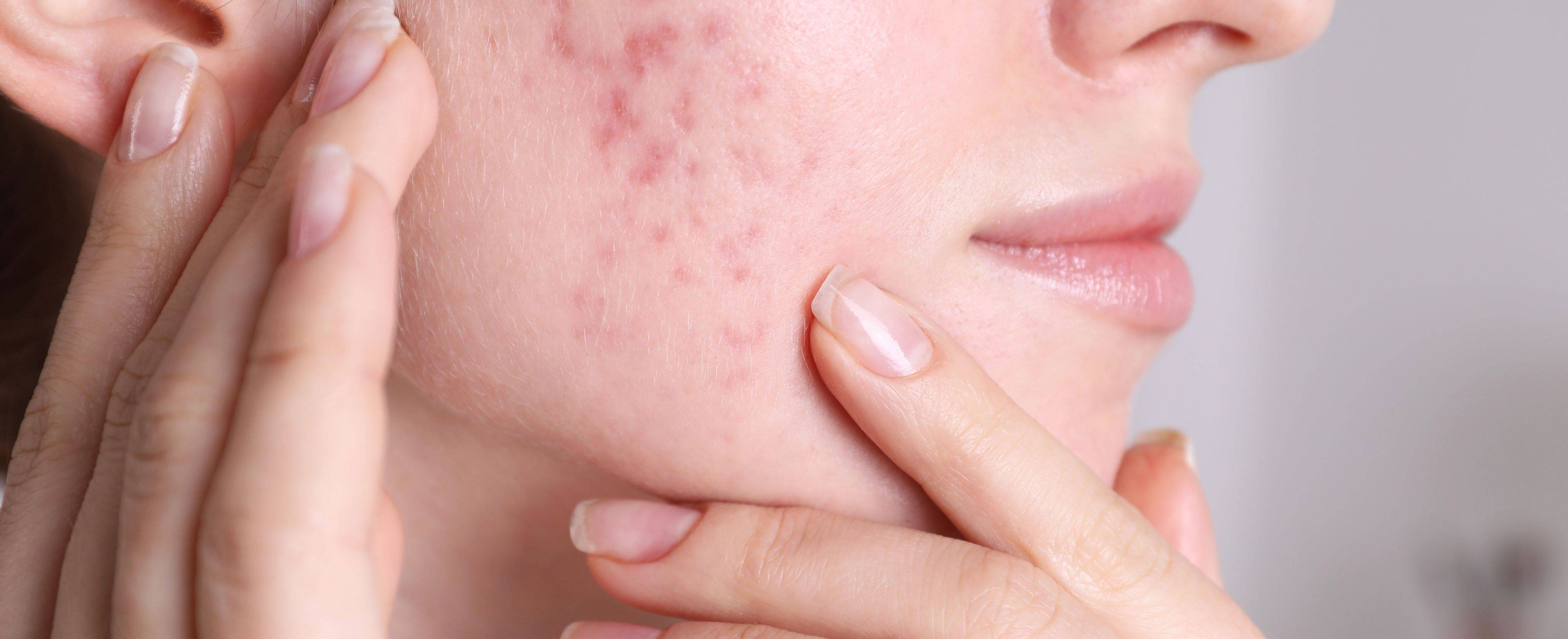
Why Does Acne Leave Scars?
Learn why acne leaves scars, the different types of acne scars, and effective treatments that can help improve smoother, healthier-looking skin. By Fara Farid | June 26th, 2026 Have you ever wondered why some pimples disappear without a trace while others leave marks that last for years? Acne may be temporary, but the scars it leaves behind can sometimes affect confidence long after breakouts have healed. The good news is that acne scars are not inevitable, and many treatment options are available to improve their appearance. Understanding how acne scars form – and what can be done about them – is the first step toward achieving smoother, healthier-looking skin. The Science Behind Acne Scars Acne scars develop when inflammation damages the deeper layers of the skin. During an acne breakout, clogged pores become inflamed due to excess oil, bacteria, and dead skin cells. If the inflammation is severe enough, it can destroy collagen and surrounding skin tissue. As the skin repairs itself, it produces new collagen. However, the healing process is not always perfect. Too little collagen creates depressed scars, while too much collagen results in raised scars. Not every pimple causes permanent scarring. The risk increases when: · Acne is deep and inflamed. · Pimples are squeezed or picked. · Treatment is delayed. · There is a family history of acne scarring. · Severe acne persists for a long time. Early acne management can significantly reduce the likelihood of permanent scarring. Different Types of Acne Scars Understanding the type of acne scar is important because different scars respond better to different treatments. 1. Ice Pick Scars These are narrow, deep scars that extend into the skin, creating tiny holes. They are among the most challenging scars to treat because they penetrate deeply into the dermis. 2. Boxcar Scars Boxcar scars have well-defined edges and appear as round or oval depressions. They are commonly found on the cheeks and temples. 3. Rolling Scars Rolling scars create uneven, wave-like skin because fibrous bands pull the skin downward beneath the surface. 4. Hypertrophic and Keloid Scars Instead of tissue loss, these scars develop when the body produces excess collagen during healing. They appear raised and are more common on the chest, shoulders, back, and jawline. Why Some People Scar More Easily Than Others Two people may experience similar acne breakouts yet heal very differently. Several factors influence scar formation, including: · Genetics · Skin type · Severity of inflammation · Speed of treatment · Individual collagen production · Frequency of picking or squeezing pimples People with prolonged inflammatory acne generally have a higher risk of permanent scars than those with occasional mild breakouts. Can Acne Scars Go Away Naturally? Many people confuse acne scars with post-inflammatory marks. Dark or red marks left after acne – known as post-inflammatory hyperpigmentation (PIH) or post-inflammatory erythema (PIE) – often fade gradually over several months. True acne scars, however, involve structural changes beneath the skin. Because tissue has been lost or overproduced, these scars usually do not disappear completely without professional treatment. Although skincare products can improve skin texture and pigmentation, they typically have limited effects on deeper scars. Modern Treatments That May Improve Acne Scars Today's aesthetic treatments focus on stimulating collagen production, resurfacing damaged skin, and improving overall skin texture. The most suitable option depends on scar type, skin condition, and treatment goals. RF Microneedling RF Microneedling combines tiny insulated needles with radiofrequency energy delivered into the deeper layers of the skin. This controlled stimulation encourages collagen remodeling while minimizing damage to the skin surface. It may help improve: · Rolling scars · Boxcar scars · Enlarged pores · Uneven skin texture Because collagen continues rebuilding over several months, improvements often develop gradually after multiple sessions. Fractional CO₂ Laser Fractional CO₂ Laser creates microscopic treatment zones within the skin while leaving surrounding tissue intact for faster healing. This treatment is commonly used to improve: · Deep acne scars · Uneven skin texture · Fine lines · Sun damage By triggering new collagen production, the skin gradually becomes smoother and more refined during the healing process. AGNES Acne Treatment AGNES uses insulated radiofrequency technology to target the sebaceous glands that contribute to persistent acne. While AGNES is primarily designed to treat active acne, reducing ongoing inflammation may help lower the risk of future acne scarring. For individuals who continue to experience recurring breakouts, controlling acne is often the first step before scar-focused treatments begin. Exosome Therapy Exosome therapy is an emerging regenerative treatment that delivers signaling molecules derived from stem cell research to support skin repair. Exosomes are often combined with procedures such as microneedling or laser treatments to enhance healing and encourage collagen production. Potential benefits include: · Improved skin recovery · Better collagen remodeling · Enhanced skin quality · Smoother overall texture Although promising, exosome therapy continues to be studied, and treatment outcomes may vary among individuals. Chemical Peels Chemical peels remove damaged surface skin using carefully selected acids. Depending on the peel depth, they may help: · Improve superficial acne scars · Fade post-inflammatory pigmentation · Brighten dull skin · Smooth rough texture Multiple treatments are often recommended for gradual improvement. Choosing the Right Acne Scar Treatment No single treatment works for every scar. A qualified doctor will typically evaluate: Scar type Skin tone Skin sensitivity Active acne presence Desired downtime Overall treatment goals Many patients achieve better outcomes through combination therapy. For example, RF Microneedling may be combined with exosome therapy, while fractional laser resurfacing may be followed by regenerative treatments to support healing. If you are exploring acne scar treatments, platforms like Trambellir allow you to compare aesthetic clinics and discover treatment options available in destinations such as South Korea, Japan, Thailand, and Turkey. Can Acne Scars Be Prevented? Although not every scar can be prevented, the risk can often be reduced through early intervention. Helpful habits include: · Treat acne promptly. · Avoid picking or squeezing pimples. · Follow an appropriate skincare routine. · Wear sunscreen daily to reduce pigmentation. · Seek professional advice for persistent or severe acne. Managing active acne before significant inflammation develops remains one of the most effective ways to minimize future scarring. Smoother Skin Starts With Understanding Your Scars Acne scars form because the skin's natural healing process changes the way collagen is produced after inflammation. While some discolouration fades naturally, true acne scars often require professional treatment to improve their appearance. Fortunately, advances in aesthetic medicine have made it possible to address many different scar types using collagen-stimulating and skin-resurfacing technologies. Understanding your scar type and seeking professional assessment can help you choose the most suitable path toward smoother, healthier-looking skin. FAQs 1. Why do some pimples leave scars while others do not? Deep or inflamed acne is more likely to damage collagen beneath the skin, increasing the risk of permanent scarring. 2. Can acne scars disappear on their own? True acne scars usually do not disappear completely without treatment, although dark or red post-acne marks often fade over time. 3. Which treatment is best for acne scars? The most suitable treatment depends on the type of acne scar, skin condition, and individual goals. A professional assessment is recommended. 4. How many treatment sessions are usually needed? Many acne scar treatments require multiple sessions, often spaced several weeks apart, to achieve gradual collagen remodeling and visible improvement. 5. Is it possible to prevent acne scars? Early acne treatment, avoiding picking or squeezing pimples, and maintaining good skincare habits can significantly reduce the risk of permanent acne scarring. …
Read More
What Is Cellulite and Can It Be Treated?
Learn what causes cellulite, why it develops, and the most effective treatment options available for smoother, firmer-looking skin. By Fara Farid | June 12th, 2026 Have you ever noticed dimples or uneven texture on your thighs, hips, or buttocks and wondered why they appear even if you exercise regularly? Cellulite is one of the most common cosmetic concerns worldwide, affecting people of different ages, body types, and fitness levels. Despite its prevalence, there are still many misconceptions about what cellulite is and whether it can truly be treated. The good news is that modern aesthetic medicine offers a range of options that may help improve the appearance of cellulite. Understanding how cellulite forms is the first step toward finding the most suitable approach for smoother-looking skin. Understanding What Cellulite Really Is Cellulite is a cosmetic skin condition characterized by a dimpled, uneven, or "orange peel" appearance. It most commonly develops on areas where fat naturally accumulates, including: · Thighs · Buttocks · Hips · Abdomen · Upper arms Cellulite occurs when fat deposits beneath the skin push upward against connective tissue bands known as fibrous septae. As the fat presses upward and the connective tissue pulls downward, the skin surface may develop visible dimples and irregularities. Although cellulite is often associated with excess weight, it can affect people of all body sizes. In fact, many individuals with low body fat percentages still experience cellulite due to factors unrelated to weight alone. Why Does Cellulite Develop? Cellulite develops through a combination of structural, hormonal, genetic, and lifestyle factors. Rather than having a single cause, it is usually the result of multiple contributing influences. 1. Connective Tissue Structure Women tend to develop cellulite more frequently than men because their connective tissue structure differs. Fibrous bands beneath female skin are arranged vertically, allowing fat cells to protrude more easily toward the skin surface. 2. Hormonal Influences Hormones may play a role in cellulite formation. Estrogen, insulin, noradrenaline, and thyroid hormones can influence fat distribution, circulation, and connective tissue integrity. 3. Genetics Genetic factors may affect: · Skin thickness · Fat distribution · Metabolic efficiency · Connective tissue strength · Circulation quality As a result, some individuals may be more prone to cellulite regardless of their lifestyle habits. 4. Aging As collagen production declines with age, the skin becomes thinner and less elastic. This can make underlying cellulite more visible over time. 5. Lifestyle Factors Certain habits may contribute to worsening cellulite appearance, including: · Sedentary lifestyle · Smoking · Poor circulation · Unbalanced diet · Significant weight fluctuations While these factors may not directly cause cellulite, they can influence how noticeable it becomes. Can Exercise Get Rid Of Cellulite? One of the most common myths is that exercise alone can eliminate cellulite completely. Regular exercise offers many benefits, including improved muscle tone, better circulation, and reduced body fat. These improvements may help make cellulite less visible. However, exercise does not directly change the fibrous connective tissue responsible for cellulite dimpling. This explains why highly active individuals, athletes, and people with lean physiques may still experience cellulite. That said, maintaining a healthy lifestyle remains an important part of managing cellulite appearance and supporting treatment outcomes. Why Cellulite Is Difficult To Treat Cellulite involves multiple layers beneath the skin, including fat, connective tissue, circulation, and skin quality. Because several factors contribute to its appearance, there is no universal treatment that permanently eliminates cellulite for everyone. Successful treatment often focuses on improving one or more of the following: · Skin firmness · Collagen production · Fat reduction · Tissue remodeling · Circulation · Connective tissue structure Modern body contouring technologies are designed to target these underlying contributors rather than simply reducing body weight. Modern Cellulite Treatment Options Advances in aesthetic medicine have introduced a variety of treatments that may help improve the appearance of cellulite by targeting skin laxity, fat deposits, connective tissue irregularities, and collagen loss. The most suitable option depends on the severity of cellulite, skin quality, and individual treatment goals. HIFU For Cellulite Treatment · HighIntensity Focused Ultrasound (HIFU) delivers focused ultrasound energy into deeper tissue layers beneath the skin. This energy stimulates collagen production while helping to improve skin firmness and contour definition. HIFU may be suitable for individuals looking to address cellulite while also tightening loose skin in the treated area. Enzymatic Cellulite Treatment · Enzymatic Cellulite Treatment utilizes specialized enzymes designed to target localized fat deposits and fibrotic tissue associated with cellulite formation. By helping break down stubborn fatty accumulations and improving tissue quality, this treatment may contribute to smoother and more refined skin texture over time. Sunekos Cell · Sunekos Cell is an advanced injectable treatment that combines amino acids and hyaluronic acid precursors to support tissue regeneration and collagen synthesis. While originally developed for skin rejuvenation, it may also help improve skin quality, elasticity, and firmness in areas affected by cellulite, creating a smoother overall appearance. ONDA Abdomen Fat Reduction · ONDA utilizes microwave technology to target localized fat deposits while simultaneously promoting skin tightening. By reducing excess fat and supporting collagen remodeling, ONDA may help improve body contours and reduce the visibility of cellulite in selected treatment areas. The treatment is particularly popular for abdominal contouring and body sculpting. Mesotherapy For Cellulite Reduction · Mesotherapy involves the injection of carefully selected active ingredients into targeted areas beneath the skin. These ingredients are intended to support circulation, fat metabolism, and tissue remodeling. Mesotherapy for cellulite reduction may help improve skin texture and reduce the appearance of uneven, dimpled skin when performed as part of a comprehensive treatment plan. Combining Treatments For Better Results Because cellulite develops through multiple contributing factors, a combination approach often produces the most noticeable improvements. Treatments that address fat deposits, skin laxity, collagen loss, and connective tissue irregularities simultaneously may provide more comprehensive results than a single treatment alone. Finding The Right Cellulite Treatment For Your Goals Because cellulite develops differently in each individual, treatment selection should be based on a professional assessment rather than trends alone. Factors commonly evaluated include: · Location of cellulite · Severity of dimpling · Skin laxity · Fat distribution · Overall body contour goals Platforms such as Trambellir help patients explore various body contouring and skin-tightening treatments available at reputable clinics worldwide, making it easier to compare options based on individual needs and goals. Whether you're interested in non-surgical body contouring, collagen-stimulating procedures, or skin-tightening technologies, understanding the underlying cause of cellulite is the first step toward choosing a suitable treatment approach. Frequently Asked Questions 1. What causes cellulite? Cellulite develops when underlying fat deposits push against connective tissue beneath the skin, creating a dimpled or uneven appearance. 2. Can cellulite occur in slim individuals? Yes. Cellulite affects people of various body types, including individuals who are slim, fit, and physically active. 3. Is cellulite a medical condition? No. Cellulite is generally considered a cosmetic concern rather than a medical condition and does not usually pose health risks. 4. Can cellulite be permanently removed? Most treatments aim to improve the appearance of cellulite rather than permanently eliminate it. Maintenance treatments may be recommended depending on the procedure. 5. Which treatments may help improve cellulite? Treatments such as radiofrequency-based body contouring, skin-tightening procedures, collagen-stimulating therapies, and certain injectable treatments may help improve the appearance of cellulite depending on individual circumstances. …
Read More


